Cuachilote: The Curious Tree That Grows Fruit on Its Trunk
If you’re looking for a conversation starter in your tropical garden, meet the cuachilote (Parmentiera aculeata) – a tree that breaks all the rules about where fruit should grow. This peculiar plant produces its elongated fruits directly from its trunk and main branches, creating a spectacle that never fails to amaze garden visitors.
What Makes Cuachilote Special?
The cuachilote, also known by its botanical name Parmentiera aculeata, is a perennial tree that typically reaches 13-16 feet in height, though it can grow taller under ideal conditions. What sets this tree apart is its cauliflorous habit – the fancy term for producing flowers and fruits directly on the trunk and older branches rather than just on new growth.
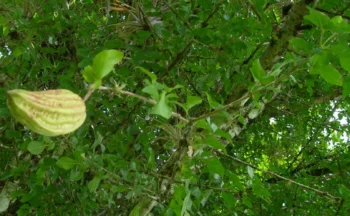
The tree produces white, tubular flowers that bloom at night, followed by distinctive elongated fruits that can reach up to a foot in length. These pale green to yellowish fruits dangle from the trunk like strange ornaments, giving the tree its unique visual appeal.
Where Does Cuachilote Come From?
Originally native to Central America, particularly Mexico and Guatemala, cuachilote has found its way to various tropical regions around the world. In the United States, you’ll find it growing in Puerto Rico, where it has established itself as a non-native species that reproduces naturally in the wild.
- Species observed
- No observations
Is Cuachilote Right for Your Garden?
Before you rush out to plant a cuachilote, consider a few important factors:
- Climate requirements: This tree is only suitable for USDA zones 10-12, as it’s quite sensitive to cold temperatures
- Non-native status: While not considered invasive, cuachilote is not native to most areas where it’s grown
- Space needs: Though not massive, it does require adequate space to showcase its unusual fruiting habit
- Novelty factor: Perfect for gardeners who love unique, conversation-worthy plants
Growing Conditions and Care
If you decide to grow cuachilote, here’s what it needs to thrive:
Light and Location: Cuachilote performs best in full sun to partial shade. Choose a location where you can easily view the trunk, as that’s where the magic happens when the fruits appear.
Soil Requirements: Well-draining soil is essential. The tree isn’t particularly fussy about soil type, but it won’t tolerate waterlogged conditions.
Watering: Regular watering is important, especially during dry periods. However, avoid overwatering as this can lead to root problems.
Temperature: Keep this tree warm! Any exposure to frost can seriously damage or kill it. If you’re in a borderline zone, consider growing it in a large container that can be moved indoors during cold snaps.
Pollinator and Wildlife Benefits
The night-blooming flowers of cuachilote are primarily pollinated by bats and other nocturnal creatures. This makes it an interesting addition to gardens designed to support nighttime wildlife activity, though specific wildlife benefits may vary by location.
Landscape Design Ideas
Cuachilote works well as:
- A specimen tree in tropical and subtropical gardens
- Part of a botanical collection showcasing unusual plants
- A focal point in warm-climate landscapes
- An educational plant in botanical gardens or nature centers
Consider Native Alternatives
While cuachilote can be a fascinating addition to the right garden, consider exploring native alternatives that might offer similar visual interest while supporting local ecosystems. Consult with local native plant societies or extension services to discover trees native to your area that might provide unique characteristics and better ecological benefits.
The Bottom Line
Cuachilote is definitely not your average backyard tree. If you live in a warm climate, have space for something unusual, and appreciate plants that spark curiosity, this trunk-fruiting wonder might be worth considering. Just remember to provide the warm, well-draining conditions it needs, and prepare for plenty of questions from fascinated visitors wondering why your tree is growing fruit in all the wrong places!