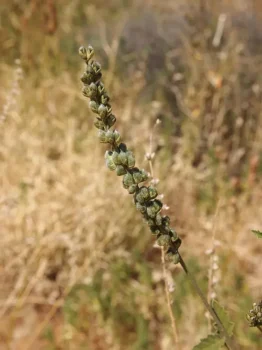
Cullen cinereum: A Silver-Leafed Beauty from Down Under
Meet Cullen cinereum, a charming Australian native that’s been quietly winning hearts with its silvery foliage and delicate flowers. While this plant might not have a catchy common name that rolls off the tongue, it more than makes up for it with its understated elegance and tough-as-nails constitution.
What’s in a Name?
You might occasionally see this beauty listed under its synonym, Psoralea cinerea, but Cullen cinereum is the accepted botanical name. The cinereum part is Latin for ash-colored, which perfectly describes the plant’s distinctive silvery-grey foliage that looks like it’s been dusted with fine ash.
Where Does It Call Home?
Cullen cinereum is proudly Australian, hailing primarily from Western Australia where it’s adapted to some pretty tough growing conditions. In its native habitat, it thrives in areas with sandy, well-drained soils and plenty of sunshine.
Why You Might Want to Grow It
This plant is a real winner for gardeners who love low-maintenance beauties. Here’s what makes it special:
- Drought tolerance that would make a cactus jealous
- Silvery foliage that provides year-round interest
- Delicate white to pale purple pea-like flowers
- Attracts native pollinators, especially bees
- Perfect for xerophytic and Mediterranean-style gardens
Garden Design and Landscape Role
Cullen cinereum works beautifully as an ornamental shrub in drought-tolerant landscapes. Its silvery foliage makes an excellent contrast plant, playing well with darker green companions or bright flowering perennials. It’s particularly at home in native Australian gardens, rock gardens, or any landscape where water conservation is a priority.
Growing Conditions: What It Needs to Thrive
Think Australian outback and you’ll get the idea:
- Sunlight: Full sun is non-negotiable
- Soil: Well-drained, sandy or rocky soils preferred
- Water: Minimal once established – this plant actually prefers the dry side
- Climate: USDA hardiness zones 9-11 (it’s not fond of frost)
Planting and Care Tips
The secret to success with Cullen cinereum is remembering that less is often more:
- Plant in spring after the last frost risk has passed
- Ensure excellent drainage – soggy soil is this plant’s kryptonite
- Water regularly during the first growing season, then back off significantly
- Light pruning after flowering helps maintain shape
- Avoid rich, fertile soils which can actually harm the plant
A Word of Caution (and Consideration)
While Cullen cinereum isn’t invasive, it’s worth remembering that this is an Australian native that’s most at home in similar climates. If you’re gardening outside of zones 9-11 or in areas with high humidity and regular rainfall, you might want to consider native alternatives that are better suited to your local conditions. Your local native plant society can point you toward beautiful drought-tolerant natives that will thrive in your specific region.
The Bottom Line
Cullen cinereum is a fantastic choice for the right garden in the right climate. If you’re in a warm, dry region and looking for a low-maintenance plant with distinctive silvery foliage and pollinator appeal, this Australian beauty might just be your new garden favorite. Just remember: when in doubt, drainage is everything, and when it comes to water, this plant subscribes to the less is more philosophy!