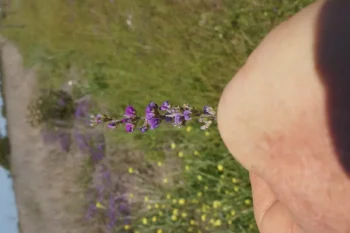
Cullen tenax: The Mysterious Member of the Pea Family
If you’ve stumbled upon the name Cullen tenax in your plant research, you’re likely scratching your head wondering what exactly this plant is and whether it belongs in your garden. Don’t worry – you’re not alone in your confusion! This particular member of the legume family is something of an enigma in the gardening world.
What We Know (And Don’t Know) About Cullen tenax
Cullen tenax belongs to the Fabaceae family, better known as the pea or legume family. You might also see it referenced by its former scientific name, Psoralea tenax. Beyond these basic taxonomic details, however, information about this plant becomes surprisingly scarce.
The lack of readily available information about Cullen tenax suggests it’s either an extremely rare species, has very limited distribution, or simply hasn’t made its way into mainstream horticulture. This isn’t uncommon – there are thousands of plant species that exist in the wild but have never been widely cultivated or studied for garden use.
Geographic Distribution: A Mystery
Unfortunately, the specific native range and geographic distribution of Cullen tenax remains unclear from standard botanical and horticultural sources. This information gap makes it challenging to determine appropriate growing conditions or regional suitability.
Should You Try Growing Cullen tenax?
Here’s where things get tricky. Without reliable information about this plant’s:
- Native habitat and growing requirements
- Size and growth characteristics
- Hardiness zones
- Potential invasive tendencies
- Availability in the nursery trade
It’s nearly impossible to provide solid growing advice or even determine if it’s suitable for home gardens.
The Cullen Genus: What We Can Learn
While Cullen tenax remains mysterious, other members of the Cullen genus can give us some clues. Many Cullen species are drought-tolerant shrubs or perennials native to Australia, with some species found in other regions. They typically produce small pea-like flowers and can fix nitrogen in the soil, thanks to their legume family heritage.
A Word of Caution
If you somehow manage to locate Cullen tenax for purchase or collection, proceed with extreme caution. Without knowing its native status, growth habits, or potential for invasiveness in your area, introducing any unfamiliar plant species to your garden could have unintended consequences for local ecosystems.
Better Alternatives
Instead of hunting down this elusive species, consider exploring well-documented native legumes in your area. These plants will provide similar nitrogen-fixing benefits while supporting local wildlife and fitting naturally into your regional ecosystem. Contact your local native plant society or extension office for recommendations specific to your location.
The Bottom Line
Cullen tenax remains one of those botanical mysteries that highlights how much we still don’t know about the plant kingdom. While the detective work might be fascinating for plant enthusiasts, the lack of cultivation information makes it a poor choice for most gardeners. Stick with well-documented native plants that you can grow successfully while supporting your local ecosystem – your garden (and the environment) will thank you for it!