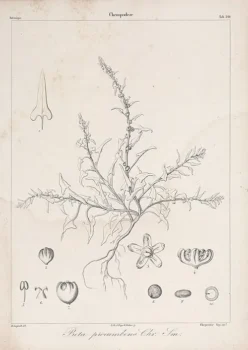
Cultivated Beet (Beta procumbens): A Lesser-Known Annual Worth Considering
If you’ve stumbled across the name Beta procumbens while researching plants for your garden, you’re not alone in finding limited information about this particular species. Commonly known as cultivated beet, this annual plant is something of a botanical mystery that deserves a closer look.
What Is Beta procumbens?
Beta procumbens, or cultivated beet, is an annual plant that belongs to the same genus as the familiar sugar beets and Swiss chard you might already know. However, this particular species is much less documented and understood than its more famous relatives. It’s classified as a non-native plant that has established itself in the wild and reproduces without human intervention.
Where You’ll Find It Growing
Currently, Beta procumbens has been documented growing in Pennsylvania, though its limited distribution suggests it’s not widely established across North America. As a non-native species that reproduces spontaneously in the wild, it has managed to carve out a niche in the lower 48 states, albeit in very limited areas.
- Species observed
- No observations
The Garden Reality Check
Here’s where things get interesting (and a bit frustrating for curious gardeners): there’s remarkably little specific information available about Beta procumbens’ garden performance, aesthetic qualities, or growing requirements. This makes it something of a wild card in the gardening world.
What we do know is that as an annual, it completes its entire life cycle in one growing season, which means you’d need to replant it each year if you wanted to keep it around.
Should You Grow It?
Given the limited information available about Beta procumbens and its non-native status, most gardeners would be better served by choosing well-documented native alternatives. While there’s no evidence suggesting it’s invasive or harmful, the lack of detailed growing information makes it a risky choice for gardeners seeking predictable results.
Native Alternatives to Consider
Instead of taking a chance on the mysterious Beta procumbens, consider these native options that offer similar or better benefits:
- Native lamb’s quarters (Chenopodium species) – edible greens with excellent wildlife value
- Wild spinach or goosefoot species native to your region
- Native amaranth species – provide seeds for birds and edible leaves
If You’re Determined to Try It
Should you decide to experiment with Beta procumbens despite the unknowns, your best bet is to treat it similarly to other members of the Beta genus:
- Plant in full sun locations
- Provide well-draining soil
- Water regularly but avoid waterlogged conditions
- Start from seed in spring after the last frost
The Bottom Line
Beta procumbens remains something of an enigma in the gardening world. While it’s established itself as a spontaneous reproducer in at least one state, the lack of detailed information about its garden performance, wildlife benefits, and specific care requirements makes it a questionable choice for most gardeners. Your time and garden space are probably better invested in well-documented native plants that will provide predictable beauty and ecological benefits.
If you’re passionate about experimenting with unusual plants, just remember that gardening is often about calculated risks – and this one comes with more unknowns than most of us are comfortable with.