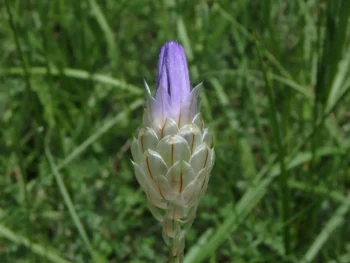
Cupid’s Dart: A Mediterranean Beauty for Your Garden
Looking for a charming flower that sounds like it belongs in a fairy tale? Meet Cupid’s dart (Catananche caerulea), also known as the love plant – names that perfectly capture this delightful perennial’s romantic appeal. With its papery blue flowers and easy-going nature, this Mediterranean native has found its way into gardens across the United States, though it’s currently established in the wild only in New Jersey.
What Makes Cupid’s Dart Special?
Cupid’s dart is a forb – essentially a non-woody perennial that dies back to the ground each winter and returns fresh each spring. What sets this plant apart is its unique flowers that look almost like they’re made of tissue paper. The blue to purple daisy-like blooms sit atop slender stems, creating an airy, ethereal effect in the garden. The silvery-green, narrow leaves provide a nice contrast and remain attractive even when the plant isn’t in bloom.
This Mediterranean native has naturalized in New Jersey, where it reproduces on its own without human intervention. While it’s not considered invasive or noxious, it’s worth noting that this is a non-native species.
- Species observed
- No observations
Garden Appeal and Design Uses
Cupid’s dart brings several valuable qualities to garden design:
- Long blooming period from summer through fall
- Excellent cut flowers, both fresh and dried
- Adds vertical interest with stems reaching 18-24 inches tall
- Creates a cottage garden or wildflower meadow aesthetic
- Provides nectar for bees, butterflies, and other pollinators
The plant works beautifully in Mediterranean-style gardens, xerophytic (dry) gardens, and mixed perennial borders. Its drought tolerance once established makes it particularly valuable in water-wise landscaping.
Growing Conditions and Care
One of Cupid’s dart’s best features is how easy it is to please. Here’s what it needs to thrive:
- Sunlight: Full sun for best flowering
- Soil: Well-drained soil is essential; sandy or chalky soils are ideal
- Water: Drought tolerant once established, but appreciates occasional watering during dry spells
- Hardiness: Grows well in USDA zones 4-9
Planting and Maintenance Tips
Getting started with Cupid’s dart is refreshingly simple:
- Easy to grow from seed – just scatter and lightly cover in spring
- May self-seed in favorable conditions, creating natural drifts
- Deadhead spent flowers to encourage continued blooming
- Cut back the entire plant after the main flowering period
- Generally pest and disease-free
Consider Native Alternatives
While Cupid’s dart is a lovely garden plant that’s not considered problematic, gardeners interested in supporting local ecosystems might consider native alternatives that provide similar benefits. Depending on your region, native asters, wild bergamot, or other local wildflowers can offer comparable beauty while supporting native wildlife more effectively.
The Bottom Line
Cupid’s dart offers gardeners an easy-care perennial with unique charm and practical benefits. Its papery blue flowers, drought tolerance, and pollinator appeal make it a solid choice for the right garden setting. While it’s not native to North America, it’s not considered invasive either, making it a reasonable option for gardeners who appreciate its Mediterranean flair. Just remember to consider native alternatives that might provide even greater ecological benefits in your specific region.