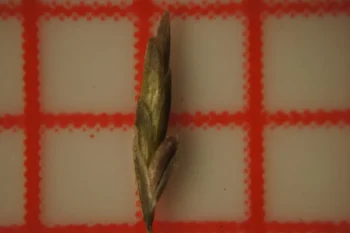
Cylinderflower Lovegrass: What Gardeners Should Know About This Uncommon Annual Grass
If you’ve stumbled across the name cylinderflower lovegrass in your gardening research, you’re probably wondering what exactly this plant is and whether it belongs in your landscape. Let’s dive into the details of this lesser-known annual grass and explore what it means for your garden.
Meet Cylinderflower Lovegrass
Cylinderflower lovegrass (Eragrostis cylindriflora) is an annual grass that belongs to the diverse lovegrass family. You might also see it listed under its scientific synonym, Eragrostis horizontalis Peter, in some older botanical references. As its name suggests, this grass produces distinctive cylindrical flower clusters that set it apart from other grasses you might encounter.
Where You’ll Find It
This grass isn’t native to North America – it’s an introduced species that has made its way here from other parts of the world. Currently, it’s been documented growing wild in Maryland, where it has established itself and reproduces without human intervention.
- Species observed
- No observations
The Not-So-Native Reality
Here’s the thing about cylinderflower lovegrass: it’s not a native plant to our ecosystems. While it hasn’t been flagged as aggressively invasive, its non-native status means it doesn’t provide the same ecological benefits that our local wildlife has evolved to depend on. Think of it as a guest that’s made itself at home – not necessarily harmful, but not contributing much to the household either.
Garden Appeal and Limitations
Honestly, cylinderflower lovegrass isn’t winning any popularity contests in the ornamental plant world. As an annual grass, it completes its entire life cycle in one growing season, which means you’d need to replant it yearly if you wanted it in your garden. Its aesthetic appeal is fairly modest compared to showier native grasses that offer more bang for your buck.
Growing Conditions
If you do encounter this grass, it likely prefers:
- Full sun exposure
- Well-drained soils
- Areas with minimal competition from other plants
However, detailed cultivation information for this specific species is quite limited, which tells you something about its garden worthiness!
Better Native Alternatives
Instead of cylinderflower lovegrass, consider these fantastic native grass alternatives that will give you more beauty and ecological value:
- Little bluestem – A gorgeous native bunch grass with stunning fall color
- Buffalo grass – Perfect for low-maintenance lawns in appropriate climates
- Native sedges – Wonderful grass-like plants that support local wildlife
- Purple lovegrass – A native Eragrostis species with attractive purple-tinged flowers
The Bottom Line
While cylinderflower lovegrass isn’t going to harm your garden, it’s not going to help it much either. Your time and garden space are precious resources, so why not invest them in native plants that will support local pollinators, birds, and other wildlife while giving you more reliable beauty year after year?
If you’re passionate about grasses (and who isn’t, really?), stick with native species that have evolved alongside our local ecosystems. Your garden – and the critters that visit it – will thank you for making choices that support biodiversity and ecological health.