Cypress Trees: The Stately Evergreens That Define Landscapes
If you’ve ever admired those tall, elegant evergreen trees that seem to reach for the sky with their distinctive columnar shape, chances are you were looking at a member of the Cupressus family. These majestic trees, commonly known as cypress, have been gracing landscapes for centuries with their timeless beauty and practical benefits.
What Exactly Is a Cypress Tree?
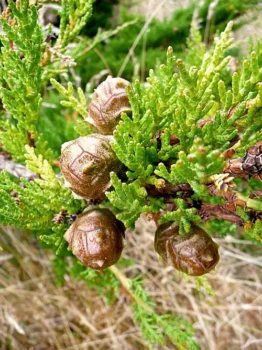
Cypress trees belong to the genus Cupressus, a diverse group of evergreen conifers that includes numerous species found around the world. These perennial trees are characterized by their scale-like leaves, small cones, and often distinctive growth habits that range from narrow columns to broad, spreading canopies. As gymnosperms, they produce seeds in cones rather than flowers, making them quite different from your typical flowering garden plants.
The Cypress Family: A World of Variety
Here’s where things get interesting – when we talk about cypress, we’re actually referring to an entire genus with species scattered across different continents. Some cypress species are native to North America, while others hail from the Mediterranean, Asia, or other regions. This means that the native status, growing requirements, and characteristics can vary dramatically depending on which specific cypress species you’re considering.
Why Gardeners Love (and Sometimes Question) Cypress Trees
Cypress trees have earned their place in landscapes for several compelling reasons:
- Architectural Appeal: Their often formal, structured growth habit makes them excellent for creating visual anchors in garden designs
- Year-Round Interest: As evergreens, they provide consistent color and structure throughout all seasons
- Versatility: Different species can serve as specimen trees, privacy screens, windbreaks, or formal hedging
- Low Maintenance: Once established, many cypress species are relatively drought-tolerant and require minimal care
The Native Plant Consideration
If you’re committed to native gardening, you’ll want to research which cypress species are actually native to your specific region. Some areas have native cypress species that provide excellent wildlife habitat and are perfectly adapted to local conditions, while other commonly planted cypress trees may be non-native ornamentals. When in doubt, consult with local native plant societies or extension services to identify the best native alternatives for your area.
Identifying Cypress Trees in Your Landscape
Wondering if that evergreen in your yard is a cypress? Look for these telltale characteristics:
- Foliage: Small, scale-like leaves that overlap like shingles, usually in a dark green color
- Bark: Often fibrous or furrowed, depending on the species
- Cones: Small, round to oval cones that mature from green to brown
- Growth Pattern: Many species exhibit a distinctive columnar or pyramid shape, especially when young
Growing Cypress Successfully
While specific care requirements vary by species, most cypress trees share some common preferences:
- Sunlight: Generally prefer full sun to partial shade
- Soil: Well-draining soil is crucial – they typically don’t tolerate waterlogged conditions
- Watering: Deep, infrequent watering once established; avoid overwatering
- Spacing: Give them room to grow – mature size varies significantly by species
The Bottom Line on Cypress
Cypress trees can be wonderful additions to the right landscape, but success lies in choosing the right species for your specific location and needs. Before planting, research the particular cypress species you’re considering – its native range, mature size, growing requirements, and any potential invasive tendencies in your area. When grown appropriately, these stately evergreens can provide decades of beauty and structure to your landscape.
Remember, the world of cypress is diverse and fascinating. Whether you end up with a native species that supports local wildlife or a well-suited non-native variety, you’ll be adding a piece of horticultural history to your garden that has been appreciated by gardeners for generations.