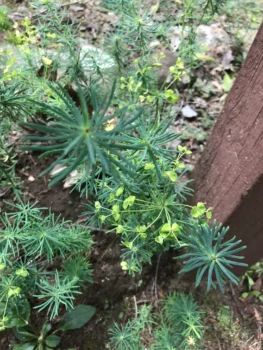
Cypress Spurge: A Beautiful But Problematic Plant You Should Avoid
If you’ve ever spotted a carpet of feathery, blue-green foliage topped with cheerful yellow flowers in spring, you might have encountered cypress spurge (Euphorbia cyparissias). While this perennial forb might look charming at first glance, it’s a classic case of looks can be deceiving in the gardening world.
What Is Cypress Spurge?
Cypress spurge is a non-native perennial that originally hails from Europe and western Asia. This hardy little plant belongs to the spurge family and has made itself quite at home across North America – perhaps a bit too much at home, as we’ll discuss shortly.
The plant forms dense, mat-like colonies with narrow, needle-like leaves that give it an almost coniferous appearance (hence the cypress in its name). In spring, it produces clusters of small, yellow-green flowers that can add a pop of color to the landscape. Come fall, the foliage often turns attractive shades of orange and red.
Where You’ll Find It
Cypress spurge has spread far and wide across North America. You can find it growing wild in most U.S. states and several Canadian provinces, from Alabama to Wyoming, and from British Columbia to Newfoundland. It’s particularly common in areas with well-draining soils and plenty of sunshine.
- Species observed
- No observations
The Problem with Cypress Spurge
Here’s where things get tricky. While cypress spurge might seem like a tough, low-maintenance ground cover, it’s actually classified as invasive or restricted in several states:
- Connecticut: Potentially Invasive and Prohibited
- New Hampshire: Prohibited
- Wisconsin: Restricted
The plant spreads aggressively through underground rhizomes, creating dense colonies that can crowd out native vegetation. Once established, it’s notoriously difficult to remove, earning it a reputation as a garden thug rather than a garden gem.
Why You Should Skip This Plant
Beyond its invasive tendencies, cypress spurge has another unpleasant surprise: it contains a milky latex sap that can cause skin irritation and is toxic if ingested. This makes it potentially dangerous around children and pets.
The plant’s aggressive spreading habit means it can quickly overtake garden beds and naturalized areas, displacing native plants that provide better habitat and food sources for local wildlife.
Better Native Alternatives
Instead of cypress spurge, consider these native options that offer similar aesthetic appeal without the invasive behavior:
- Wild bergamot (Monarda fistulosa) – Offers aromatic foliage and attracts pollinators
- Sedum species – Provide succulent texture and excellent drought tolerance
- Native bunch grasses – Create texture and movement while supporting wildlife
- Wild columbine (Aquilegia canadensis) – Adds delicate flowers and attracts hummingbirds
If You Already Have It
If cypress spurge has already established itself in your garden, removal requires patience and persistence. The extensive root system means you’ll need to dig up all rhizomes, and even small fragments left behind can regenerate. Consider consulting with local extension services or invasive species management programs for the most effective removal strategies in your area.
The Bottom Line
While cypress spurge might catch your eye with its unique texture and bright spring flowers, it’s best admired from a distance rather than invited into your garden. By choosing native alternatives instead, you’ll create a more sustainable landscape that supports local ecosystems while still achieving the aesthetic appeal you’re after.
Remember, the best garden plants are those that play nicely with their neighbors – both the plants you’ve chosen and the native species that call your area home.