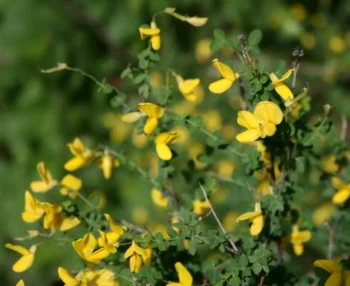
Cytisophyllum sessilifolius: A Botanical Mystery Plant
Have you ever stumbled across a plant name that seems to exist in botanical limbo? Meet Cytisophyllum sessilifolius, a species that’s more puzzle than plant for most gardeners. This intriguing botanical name appears in some plant databases, but finding solid information about it is like searching for a needle in a very large, very green haystack.
What We Know (And Don’t Know)
Here’s the honest truth: Cytisophyllum sessilifolius is what botanists might call an enigmatic species. While it has a proper-sounding scientific name and even boasts a synonym (Cytisus sessilifolius L.), reliable information about this plant is surprisingly scarce. The synonym suggests it may belong to the broom family, but beyond that connection, we’re venturing into botanical detective work.
The lack of documented information about its native range, growing conditions, or even basic appearance makes this plant a challenging choice for gardeners seeking reliable landscaping options.
The Challenge of Obscure Plant Species
Sometimes in the gardening world, we encounter plant names that sound promising but lack the documentation needed for successful cultivation. Cytisophyllum sessilifolius appears to fall into this category. Without clear information about:
- Native habitat and growing conditions
- Mature size and growth habits
- Hardiness zones and climate requirements
- Care requirements and potential challenges
- Availability from reputable nurseries
It becomes nearly impossible to recommend this plant for home gardens with any confidence.
Better Alternatives for Your Garden
Instead of wrestling with mysterious plant species, why not choose well-documented native plants that offer similar potential benefits? If you’re drawn to plants in the broom family (suggested by the synonym), consider these reliable alternatives:
- Native lupines for nitrogen fixation and colorful flower spikes
- Wild indigo species for their attractive foliage and ecological benefits
- Native clovers for ground cover and pollinator support
The Importance of Choosing Documented Species
While botanical mysteries can be fascinating, successful gardening relies on understanding your plants’ needs. Well-documented native species offer several advantages:
- Proven growing requirements and care instructions
- Known wildlife and pollinator benefits
- Reliable availability from native plant nurseries
- Established track record in landscape applications
Final Thoughts
Cytisophyllum sessilifolius remains an intriguing botanical puzzle, but puzzles don’t make for thriving gardens. When planning your native landscape, stick with species that have clear documentation, known benefits, and reliable growing information. Your garden—and your sanity—will thank you for choosing plants with proven track records over mysterious botanical enigmas.
If you’re passionate about botanical mysteries and have access to this species through specialized sources, approach with caution and realistic expectations. Sometimes the most rewarding gardening adventures come from plants we can actually understand and successfully grow!