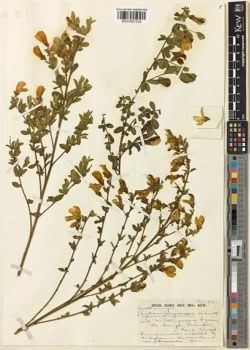
Cytisus commutatus: The Mysterious Broom That’s Hard to Pin Down
If you’ve stumbled across the name Cytisus commutatus while researching plants for your garden, you might be scratching your head right about now. Don’t worry – you’re not alone! This particular member of the broom family is something of an enigma in the gardening world.
What We Know (And What We Don’t)
Cytisus commutatus belongs to the Cytisus genus, which includes the well-known brooms that gardeners either love or love to hate. These shrubs are part of the legume family and are known for their bright, pea-like flowers and ability to fix nitrogen in the soil. However, when it comes to the specific details about C. commutatus, reliable information is surprisingly scarce.
The lack of readily available information about this species suggests it may be either:
- A rarely cultivated variety
- A regional name that’s not widely recognized
- A species that’s been reclassified or renamed over time
Geographic Distribution
While the exact native range of Cytisus commutatus remains unclear, most Cytisus species originate from Europe and the Mediterranean region. Without more specific data, it’s difficult to pinpoint where this particular species calls home.
Should You Plant It?
Here’s where things get tricky. With limited information available about Cytisus commutatus specifically, it’s challenging to make informed recommendations about growing this plant. We don’t have clear data on its invasive potential, growing requirements, or even its availability in the nursery trade.
Better Alternatives to Consider
If you’re interested in broom species for your garden, consider these better-documented options instead:
- Native alternatives: Research native shrubs in your area that provide similar aesthetic appeal
- Well-studied Cytisus species: If you’re set on a broom, choose species with clear growing guidelines and known invasive status
- Native nitrogen-fixers: Look for native leguminous shrubs that can provide similar soil benefits
The Bottom Line
Sometimes in gardening, mystery isn’t a good thing – especially when it comes to introducing new plants to your landscape. The lack of clear information about Cytisus commutatus makes it difficult to recommend for home gardeners. Instead, focus on well-documented native plants or non-invasive alternatives that can provide similar benefits to your garden ecosystem.
If you’re determined to learn more about this elusive species, consider reaching out to local botanical experts, university extension services, or specialized plant societies. They might have regional knowledge that isn’t widely available online.
Remember, the best garden plants are those we understand well – from their growing needs to their environmental impact. When in doubt, choose plants with clear documentation and proven track records in home landscapes.