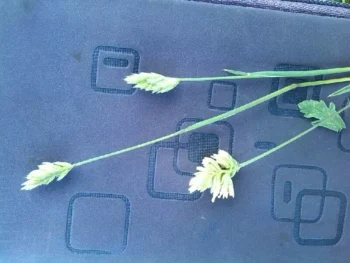
Dactylis glomerata hispanica: A Mysterious Grass with Limited Documentation
If you’ve stumbled across the name Dactylis glomerata hispanica in your plant research, you’re likely dealing with one of botany’s more elusive entries. This grass species falls into that intriguing category of plants that exist in scientific nomenclature but have surprisingly little readily available information for the average gardener.
What We Know About This Grass
Dactylis glomerata hispanica belongs to the graminoid family, which means it’s a grass or grass-like plant. This puts it in the same broad category as familiar lawn grasses, ornamental grasses, sedges, and rushes. The hispanica designation in its name suggests some connection to Spain or the Iberian Peninsula, though specific details about its native range remain unclear in available documentation.
The Challenge of Limited Information
Here’s where things get interesting (and a bit frustrating for curious gardeners): this particular species designation has very limited documentation in commonly accessible botanical resources. While its parent species, Dactylis glomerata, is well-known as orchard grass or cock’s-foot, the specific hispanica variety or subspecies lacks the detailed growing information that gardeners typically need.
What This Means for Your Garden
Without clear information about this plant’s:
- Native status and geographic distribution
- Invasive potential
- Specific growing requirements
- Wildlife and pollinator benefits
- Hardiness zones
It’s difficult to make informed recommendations about whether to include it in your landscape. The responsible approach is to proceed with caution when dealing with any plant species that lacks comprehensive ecological and horticultural documentation.
A Better Approach: Well-Documented Native Alternatives
If you’re interested in adding grasses to your garden, consider focusing on well-researched native species that are known to benefit local ecosystems. Your local native plant society or extension office can recommend grasses that are:
- Definitely native to your region
- Well-studied for their ecological benefits
- Proven successful in home landscapes
- Available from reputable nurseries
The Bottom Line
While Dactylis glomerata hispanica may be a legitimate botanical entity, the lack of readily available information makes it a questionable choice for most gardeners. When in doubt, choosing well-documented native plants is always the safer bet for both your garden’s success and your local ecosystem’s health.
If you’re specifically researching this plant for academic or professional reasons, you may need to consult specialized botanical databases or contact botanical institutions directly for more detailed information.