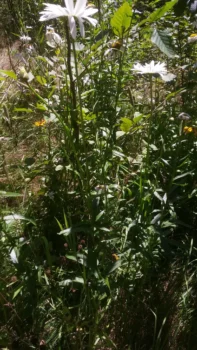
The Classic Shasta Daisy: A Garden Staple Worth Knowing
Few flowers are as instantly recognizable as the cheerful white petals and sunny yellow center of the Shasta daisy. This beloved perennial has been brightening gardens for generations, offering that quintessential daisy look that never goes out of style. But before you add this classic to your landscape, let’s dig into what makes Leucanthemum ×superbum tick.
What Exactly Is a Shasta Daisy?
The Shasta daisy is actually a hybrid – the × in its botanical name Leucanthemum ×superbum is the giveaway. This popular garden plant is the result of crossing European daisy species, creating a robust perennial that’s tougher than many of its parent plants. You might also see it listed under its old name, Chrysanthemum ×superbum, in older gardening books.
As a herbaceous perennial (or forb in botanical terms), Shasta daisies die back to the ground each winter and emerge fresh each spring. They’re the opposite of woody – think soft stems and leaves rather than bark and branches.
Where Do Shasta Daisies Come From?
Here’s where things get interesting from a native gardening perspective. Shasta daisies aren’t native to North America – they’re European immigrants that have made themselves quite at home here. In fact, they’ve naturalized so well that they now reproduce on their own in wild areas across much of the United States, including Michigan where they’re particularly well-established.
- Species observed
- No observations
Why Gardeners Love (and Sometimes Question) Shasta Daisies
There’s no denying the appeal of these dependable bloomers:
- Long blooming season from late spring through fall
- Classic white and yellow flowers perfect for cutting
- Hardy in USDA zones 5-9
- Drought tolerant once established
- Attracts bees, butterflies, and other pollinators
- Low maintenance and easy to grow
However, as a non-native species, some gardeners prefer to focus on plants that naturally belong in our ecosystems. While Shasta daisies aren’t considered invasive, they don’t provide the same ecological benefits as native alternatives.
Growing Shasta Daisies Successfully
If you decide to grow Shasta daisies, you’re in for a treat – they’re remarkably easy-going plants.
Ideal Growing Conditions
- Full sun (6+ hours daily)
- Well-draining soil – they hate wet feet
- Average garden soil works fine
- Good air circulation helps prevent disease
Planting and Care Tips
- Plant in spring after the last frost
- Space plants 12-18 inches apart
- Water regularly the first year, then they’re quite drought tolerant
- Deadhead spent flowers to encourage more blooms
- Divide clumps every 2-3 years to maintain vigor
- Cut back to ground level in late fall or early spring
Perfect Garden Roles
Shasta daisies shine in several garden settings:
- Cottage gardens where their informal charm fits perfectly
- Perennial borders as reliable mid-height bloomers
- Cutting gardens for fresh bouquets all season long
- Mass plantings for dramatic white drifts
- Wildflower gardens for a naturalized look
Native Alternatives to Consider
If you’re leaning toward native plants, consider these beautiful alternatives that offer similar aesthetic appeal while supporting local ecosystems:
- Wild bergamot (Monarda fistulosa) for pollinator appeal
- Purple coneflower (Echinacea purpurea) for similar form with native benefits
- Black-eyed Susan (Rudbeckia species) for bright, daisy-like blooms
- Wild ginger (Asarum canadense) for groundcover in shadier spots
The Bottom Line
Shasta daisies are garden-worthy plants that bring reliable beauty and pollinator appeal to landscapes. While they’re not native, they’re also not problematic from an invasive species standpoint. The choice to grow them often comes down to your personal gardening philosophy – whether you prioritize classic garden beauty or native plant ecology (or perhaps a mix of both!).
Whatever you decide, you can’t go wrong with the cheerful, dependable charm of these classic daisies. They’ve earned their place in gardens through decades of reliable performance, and they’ll likely continue brightening landscapes for generations to come.