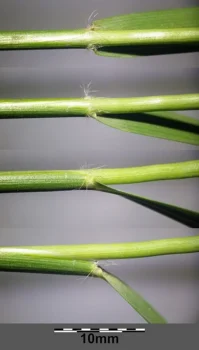
Danthonia alpina: The Mysterious Alpine Grass Worth Investigating
If you’ve stumbled across the name Danthonia alpina in your plant research, you’re not alone in wondering what exactly this grass is all about. This intriguing species belongs to the world of graminoids – those wonderful grass and grass-like plants that include true grasses, sedges, and rushes. But here’s the thing: Danthonia alpina is something of a botanical mystery, with limited reliable information available about its specific characteristics and growing requirements.
What We Know About This Enigmatic Grass
Danthonia alpina is classified as a graminoid, meaning it shares the typical grass-like growth habit we associate with this plant family. Like its botanical cousins, it likely produces narrow leaves and delicate seed heads that dance in the breeze. The species name alpina hints at mountain or high-altitude origins, suggesting this might be a plant adapted to cooler, well-drained conditions.
This species has at least one synonym in the botanical world: Danthonia provincialis DC., which tells us that plant taxonomists have had some interesting discussions about how to classify this particular grass over the years.
The Challenge of Unknown Origins
Here’s where things get tricky for native plant enthusiasts. The native status and geographical distribution of Danthonia alpina remain unclear in available sources. Without knowing where this plant naturally occurs, it’s impossible to recommend it confidently for native landscaping projects or to understand its ecological role.
Should You Plant Danthonia alpina?
Given the limited information available about this species, proceeding with caution would be wise. Here’s what to consider:
- Unknown native status makes it difficult to assess its appropriateness for native gardens
- Unclear invasive potential means we can’t rule out negative environmental impacts
- Limited growing information makes successful cultivation challenging
- Rarity status is unknown, so sourcing could be problematic
Better Alternatives to Consider
Instead of gambling with the mysterious Danthonia alpina, consider these well-documented native grass alternatives that might fill a similar role in your landscape:
- Research other Danthonia species native to your region
- Explore local sedges and rushes for similar textural interest
- Consult with native plant societies in your area for grass recommendations
- Visit local botanical gardens to see established graminoid plantings
If You’re Determined to Learn More
For the truly curious gardener who wants to investigate Danthonia alpina further, here are some steps to take:
- Contact botanical gardens or university herbaria for more specific information
- Reach out to grass specialists or botanists familiar with the Danthonia genus
- Check with local native plant societies about regional Danthonia species
- Ensure any plant material comes from reputable, ethical sources
The Bottom Line
While Danthonia alpina might sound like an intriguing addition to an alpine or rock garden, the lack of reliable information about its native status, growing requirements, and potential impacts makes it a risky choice for responsible gardeners. Your landscape will likely benefit more from well-documented native grasses that you can grow with confidence, knowing they’ll support local ecosystems while thriving in your specific conditions.
Sometimes the most responsible choice is to admire a plant’s mysterious nature from afar while choosing better-understood alternatives for our gardens. Your local wildlife – and your garden’s success rate – will thank you for it!