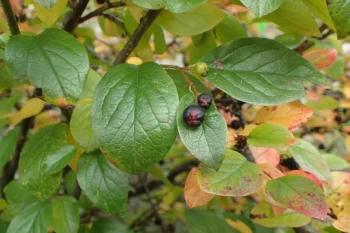
Dark-Fruited Cotoneaster: A Hardy Shrub for Challenging Gardens
If you’re looking for a tough-as-nails shrub that can handle whatever Mother Nature throws at it, the dark-fruited cotoneaster (Cotoneaster melanocarpus) might just be your garden’s new best friend. This resilient little shrub has earned its stripes in some of the harshest climates on Earth, making it a go-to choice for gardeners who need something reliable and low-maintenance.
What Is Dark-Fruited Cotoneaster?
Dark-fruited cotoneaster is a perennial shrub that typically grows as a multi-stemmed woody plant, usually staying under 13-16 feet tall. Don’t let the scientific name intimidate you – this plant is simply known as cotoneaster in casual garden conversations. Originally hailing from the chilly regions of northern Europe and Asia, including Scandinavia, Russia, and Central Asia, this shrub has adapted remarkably well to life in colder North American climates.
Where Does It Grow?
In North America, you’ll find dark-fruited cotoneaster thriving in the prairie provinces of Canada, specifically Alberta, Manitoba, and Saskatchewan. It’s a non-native species that has successfully established itself in these regions, reproducing on its own without human intervention. This adaptability speaks to its impressive hardiness and survival instincts.
- Species observed
- No observations
Why Gardeners Love (and Sometimes Question) This Plant
Here’s the scoop on why dark-fruited cotoneaster has both fans and skeptics:
The Good Stuff:
- Extremely cold hardy (USDA zones 2-6) – perfect for harsh winter climates
- Drought tolerant once established
- Low maintenance requirements
- Attractive small white flowers in spring
- Dark purple to black berries provide visual interest
- Small oval leaves that may turn reddish in fall
- Attracts bees and other pollinators with its spring blooms
Things to Consider:
- It’s not native to North America
- Can spread on its own in suitable conditions
- May not support local wildlife as effectively as native alternatives
Garden Design and Landscaping Uses
Dark-fruited cotoneaster works well in several landscape scenarios. Its compact size and hardy nature make it excellent for:
- Border plantings and hedging
- Rock gardens where tough plants are essential
- Naturalized areas that need low-maintenance coverage
- Specimen plantings in challenging locations
- Areas with poor soil where other plants struggle
Growing Conditions and Care
One of the best things about dark-fruited cotoneaster is how undemanding it is. Here’s what it needs to thrive:
Preferred Growing Conditions:
- Full sun to partial shade
- Tolerates poor, rocky, or sandy soils
- Drought tolerant once established
- Extremely cold hardy
- Adapts to various pH levels
Planting and Care Tips:
- Plant in spring or early fall for best establishment
- Water regularly during the first growing season
- Prune lightly after flowering if needed
- Mulch around the base to retain moisture and suppress weeds
- Fertilizer is rarely needed in average soils
- Watch for any unwanted spreading and manage accordingly
Wildlife and Pollinator Benefits
While dark-fruited cotoneaster does provide some wildlife value through its spring flowers that attract bees and other small pollinators, and its berries that may feed birds, it’s worth noting that native plants typically offer superior support for local ecosystems.
Native Alternatives to Consider
If you’re interested in supporting local wildlife and ecosystems, consider these native alternatives that offer similar hardiness and appeal:
- Serviceberry (Amelanchier species) – offers beautiful spring flowers, edible berries, and excellent fall color
- Elderberry (Sambucus canadensis) – provides flowers for pollinators and berries for wildlife
- Ninebark (Physocarpus opulifolius) – extremely hardy with attractive bark and flowers
- Spicebush (Lindera benzoin) – excellent for wildlife and has lovely fall color
The Bottom Line
Dark-fruited cotoneaster is undeniably tough and reliable, making it a practical choice for challenging garden situations where few other plants would thrive. Its spring flowers and dark berries add seasonal interest, and its low-maintenance nature appeals to busy gardeners. However, if you’re looking to create habitat for local wildlife or support native plant communities, exploring indigenous alternatives might be worth your while.
Whether you choose this hardy cotoneaster or opt for native alternatives, the most important thing is creating a garden that works for your specific conditions and goals. Sometimes the best plant is simply the one that will actually grow and thrive in your unique space!