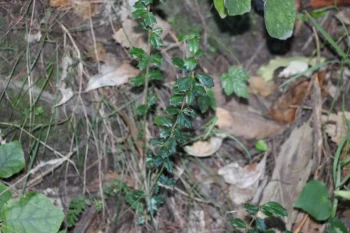
Darwin’s Berberis: A Thorny Beauty for Your Garden
If you’re looking for a tough, evergreen shrub that can handle just about anything Mother Nature throws at it, Darwin’s berberis (Berberis darwinii) might just be your new best friend. This spiky character has been winning over gardeners with its stunning spring flowers and rock-solid reliability, though like any good friend, it comes with a few quirks you should know about.
What Exactly is Darwin’s Berberis?
Darwin’s berberis is a perennial, evergreen shrub that typically grows as a multi-stemmed woody plant reaching 13 to 16 feet in height, though it usually stays more modest in most garden settings. Don’t let its civilized garden presence fool you though – this plant is armed with serious thorns and means business when it comes to creating an impenetrable barrier.
Originally hailing from the wilds of Chile and Argentina, this South American native has made itself quite at home in parts of the United States, particularly in California, Oregon, and Washington, where it reproduces spontaneously without any help from gardeners.
- Species observed
- No observations
The Beauty Behind the Thorns
What makes Darwin’s berberis such a showstopper? It’s all about the seasonal drama:
- Spring spectacular: Clusters of bright orange flowers that practically glow against the dark green foliage
- Year-round structure: Small, glossy evergreen leaves that keep the show going even in winter
- Fall finale: Dark blue berries that add another layer of interest
- Dense growth: Creates excellent screening and privacy
Where Darwin’s Berberis Shines
This versatile shrub works beautifully in several garden scenarios:
- Security hedging: Those thorns make it an excellent natural burglar deterrent
- Mixed shrub borders: Provides structure and spring color
- Mediterranean gardens: Fits right in with other drought-tolerant plants
- Coastal gardens: Handles salt air like a champ
- Specimen plantings: Makes a striking focal point when space allows
Growing Darwin’s Berberis Successfully
The good news? This shrub is refreshingly low-maintenance once you understand its preferences.
Ideal Growing Conditions
- Sunlight: Full sun to partial shade (though flowering is best in full sun)
- Soil: Well-draining soil is key – it tolerates poor soils but hates wet feet
- Climate: Thrives in USDA hardiness zones 7-9
- Water: Drought tolerant once established, but appreciates regular water the first year
Planting and Care Tips
Getting started with Darwin’s berberis is straightforward:
- Timing: Plant in fall or spring for best establishment
- Spacing: Give it room to spread – this isn’t a plant that likes to be crowded
- First year care: Water regularly to help establish a strong root system
- Pruning: Prune right after flowering if needed (and definitely wear thick gloves!)
- Safety first: Always wear protective clothing when working around this thorny customer
Supporting Local Wildlife
Despite being a non-native, Darwin’s berberis does offer some benefits to local wildlife. The bright orange spring flowers provide nectar for bees and other pollinators, while the dark blue berries can feed birds in the fall.
A Word About Native Alternatives
While Darwin’s berberis can be a reliable garden performer, it’s worth considering native alternatives that might provide similar benefits while supporting local ecosystems more effectively. Depending on your region, native options like serviceberry, elderberry, or native roses might offer similar screening and wildlife benefits with the added bonus of being perfectly adapted to your local conditions.
The Bottom Line
Darwin’s berberis is a tough, attractive shrub that can solve several garden challenges, from creating privacy to adding spring color. Its non-native status means it might not be the first choice for wildlife-focused gardens, but it certainly has its place for gardeners looking for reliable, low-maintenance screening with a seasonal show. Just remember to approach this thorny beauty with respect – and a good pair of gardening gloves!