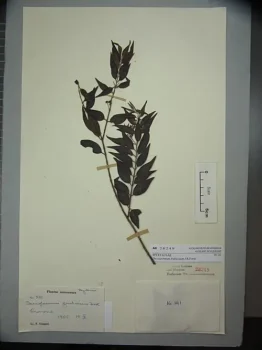
Decaspermum fruticosum: A Mysterious Native Worth Investigating
If you’ve stumbled across the name Decaspermum fruticosum in your plant research, you’re probably scratching your head wondering what exactly this botanical mystery is all about. Don’t worry – you’re not alone! This lesser-known native plant seems to fly under the radar of most gardening guides, but that doesn’t mean it’s not worth getting to know.
What’s in a Name?
Unfortunately, Decaspermum fruticosum doesn’t seem to have picked up any widely recognized common names along the way. Sometimes plants just prefer to go by their scientific names – think of it as being a bit of a botanical introvert!
Where Does It Call Home?
While the exact native range of Decaspermum fruticosum remains somewhat unclear in readily available sources, we do know it has connections to Hawaii, where it’s classified as a facultative wetland plant. This means it’s equally happy growing in wet or dry conditions – quite the adaptable character!
The Wetland Connection
Here’s what we do know for certain: in Hawaii, Decaspermum fruticosum has earned facultative wetland status. This is actually pretty exciting news for gardeners because it means:
- The plant can thrive in both wetland and upland conditions
- It’s naturally adaptable to varying moisture levels
- It could potentially work in different garden situations
Should You Grow It?
This is where things get a bit tricky. With limited information available about Decaspermum fruticosum’s specific growing requirements, aesthetic qualities, and garden performance, it’s challenging to give a definitive recommendation. However, if you’re the type of gardener who loves a good plant mystery and enjoys experimenting with lesser-known natives, this could be right up your alley.
Growing Conditions: What We Can Guess
Based on its facultative wetland status, Decaspermum fruticosum likely appreciates:
- Flexible moisture conditions – neither too dry nor too wet
- Potentially humid climates (given its Hawaiian connection)
- Possibly tropical or subtropical growing zones
The Bottom Line for Curious Gardeners
Decaspermum fruticosum represents one of those intriguing plant puzzles that make native gardening so fascinating. While we don’t have all the answers about its ornamental value, specific growing needs, or wildlife benefits, its adaptable wetland status suggests it could be worth investigating further.
If you’re considering this plant, your best bet would be to:
- Contact local native plant societies or botanical gardens for more specific information
- Look for any regional growing experiences or observations
- Start small with experimental plantings if you can source the plant
Sometimes the most rewarding garden discoveries come from the plants that don’t have their own Wikipedia pages yet. Who knows? You might just become the local expert on Decaspermum fruticosum!