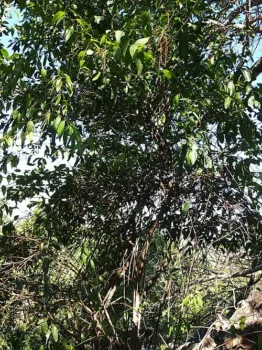
The Mystery Plant: Deeringia amaranthoides
Have you ever stumbled across a plant name that sounds intriguing but leaves you scratching your head when you try to find more information? Meet Deeringia amaranthoides – a botanical puzzle that’s as mysterious as it sounds!
What Do We Know About Deeringia amaranthoides?
Here’s the honest truth: Deeringia amaranthoides is one of those plants that exists in botanical literature but has very little documented information available for home gardeners. This species belongs to the dicot group of flowering plants, but beyond that basic classification, reliable details about its characteristics, native range, and cultivation requirements are surprisingly scarce.
The Challenge with Obscure Plant Names
Sometimes in the world of botany, you’ll encounter plant names that appear in scientific databases or old literature but lack the detailed growing information that modern gardeners need. This could happen for several reasons:
- The plant may be extremely rare or have a very limited natural range
- It might be known primarily to researchers rather than horticulturists
- There could be confusion with similar species or taxonomic changes over time
- The plant may not be widely cultivated or commercially available
What This Means for Your Garden
If you’re specifically looking to grow Deeringia amaranthoides, you’ll likely face significant challenges in finding seeds, seedlings, or reliable growing information. Without clear data on its native status, growing conditions, hardiness zones, or care requirements, attempting to cultivate this plant would be quite the gardening adventure – and not necessarily a successful one.
Better Alternatives for Your Garden
Instead of pursuing this botanical mystery, consider exploring well-documented native plants in your area. Your local native plant society, extension office, or reputable native plant nurseries can recommend beautiful, reliable species that will thrive in your specific climate and soil conditions while supporting local wildlife.
The Takeaway
While Deeringia amaranthoides might sound exotic and intriguing, sometimes the most rewarding garden choices are the plants we can actually learn about, find, and grow successfully. There’s something to be said for choosing plants with a solid track record and plenty of growing guidance available!
If you’re drawn to unique or unusual plants, focus your energy on lesser-known native species in your region – you’ll have much better luck finding growing information and actually getting them to thrive in your garden.