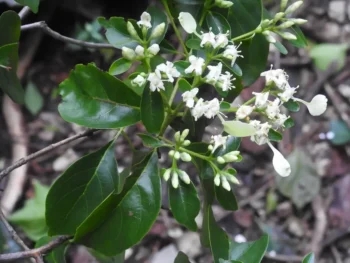
Degame Tree: A Tropical Beauty for Warm Climate Gardens
Meet the degame tree (Calycophyllum candidissimum), a stunning tropical specimen that’s been quietly making its mark in Puerto Rican landscapes. This impressive tree, originally from Central and South America, brings both beauty and intrigue to the right garden setting – though it’s definitely not for everyone!
What Is Degame?
Degame is a large perennial tree that typically grows over 13-16 feet tall, sporting a single trunk that can become quite substantial over time. Also known by its botanical synonym Macrocnemum candidissimum Vahl, this tropical beauty is part of the coffee family (Rubiaceae) and brings some serious wow-factor to any landscape lucky enough to accommodate its size.
Where Does It Grow?
While degame is native to Central and South American countries like Costa Rica, Panama, Colombia, and Venezuela, it has established itself as a naturalized resident in Puerto Rico. The tree has adapted well to its new Caribbean home, reproducing spontaneously and persisting without human intervention.
- Species observed
- No observations
Why You Might (Or Might Not) Want to Plant Degame
Here’s the scoop: degame is absolutely gorgeous when it’s happy, but it comes with some important considerations.
The Good Stuff:
- Spectacular white, fragrant flowers that perfume the air
- Attractive smooth bark that exfoliates in patches, creating a beautiful mottled pattern
- Excellent shade tree for large properties
- Attracts pollinators like bees and butterflies
- Makes a stunning specimen tree in the right setting
The Reality Check:
- This is a BIG tree that needs lots of space
- Only suitable for tropical and subtropical climates (USDA zones 10-12)
- As a non-native species, it doesn’t provide the same ecological benefits as native alternatives
- Requires consistent warm temperatures year-round
Growing Degame Successfully
If you’re in Puerto Rico or another suitable tropical location and have the space, here’s how to keep your degame tree thriving:
Location and Light:
- Choose a spot with full sun to partial shade
- Ensure you have plenty of room – this tree gets large!
- Protect young trees from strong winds
Soil and Water:
- Well-draining soil is essential
- Provide regular moisture, especially during dry periods
- Mulch around the base to retain moisture and suppress weeds
Climate Requirements:
- Only suitable for USDA hardiness zones 10-12
- Cannot tolerate frost or freezing temperatures
- Thrives in consistently warm, humid conditions
A Word About Native Alternatives
While degame can be a beautiful addition to appropriate landscapes, consider exploring native tree options first. Native species provide better support for local wildlife, are typically better adapted to local conditions, and help preserve the unique character of your region’s natural heritage. Consult with local native plant societies or extension services to discover spectacular native trees that might serve similar roles in your landscape.
The Bottom Line
Degame is a legitimate showstopper for those with the right climate and plenty of space. Its fragrant flowers, attractive bark, and impressive stature make it a worthy consideration for large tropical gardens, parks, or botanical settings. Just remember: this is a commitment tree that needs warmth, space, and proper care to truly shine. If you can provide what it needs, you’ll be rewarded with a truly spectacular specimen that’s sure to be a conversation starter!