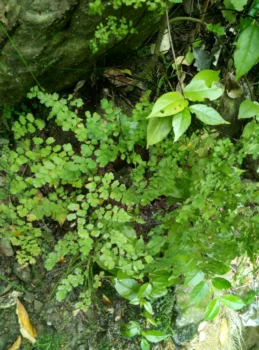
Delta Maidenhair Fern: A Delicate Beauty for Shaded Spaces
If you’ve ever admired those impossibly delicate, fan-shaped fronds that seem to dance in the slightest breeze, you’ve likely encountered the delta maidenhair fern. Known botanically as Adiantum raddianum, this graceful perennial fern has captured the hearts of gardeners and indoor plant enthusiasts alike with its ethereal beauty and unique texture.
What Is Delta Maidenhair Fern?
Delta maidenhair is a non-woody perennial fern that belongs to the forb category – essentially a vascular plant that lacks significant woody tissue above ground. Unlike flowering plants, ferns like this one reproduce through spores rather than seeds, making them an ancient and fascinating addition to any plant collection.
This species was originally native to South America, particularly Brazil and surrounding regions, but has found its way into gardens worldwide. In the United States, you’ll primarily find it thriving in Hawaii, where the tropical climate mimics its natural habitat perfectly.
- Species observed
- No observations
Identifying Delta Maidenhair Fern
Recognizing delta maidenhair fern is relatively straightforward once you know what to look for:
- Delicate, fan-shaped leaflets (called pinnules) that appear almost translucent
- Bright to medium green fronds that arch gracefully
- Fine-textured foliage that creates a soft, lacy appearance
- Black or dark brown stems (called rachis) that contrast beautifully with the green foliage
- Fronds that seem to flutter with the slightest air movement
Is Delta Maidenhair Beneficial in Gardens?
This charming fern offers several benefits for the right garden setting:
Aesthetic Appeal: Delta maidenhair brings an unmatched elegance to shaded areas. Its delicate texture provides a beautiful contrast to broader-leaved plants and adds movement and lightness to garden compositions.
Versatile Growing Options: Whether you’re planning a shade garden, looking for an understory plant, or wanting to create a tropical feel indoors, this fern adapts well to various settings. It’s equally at home in containers, hanging baskets, or as a groundcover in humid, shaded areas.
Low Maintenance: Once established in the right conditions, delta maidenhair requires minimal intervention, making it perfect for gardeners who appreciate beauty without constant fussing.
Growing Conditions and Care
Success with delta maidenhair comes down to recreating its preferred natural environment:
Light Requirements: Bright, indirect light is ideal. Direct sunlight will quickly scorch those delicate fronds, so stick to shaded or partially shaded locations.
Moisture Needs: Consistent moisture is crucial, but soggy soil is a death sentence. The soil should feel like a well-wrung sponge – moist but not waterlogged. This fern has a facultative wetland status, meaning it can handle both wet and moderately dry conditions.
Humidity: High humidity is non-negotiable. If you’re growing it indoors, consider using a humidity tray or regular misting to keep those fronds happy.
Temperature: This fern thrives in USDA zones 9-11 outdoors, preferring temperatures between 65-75°F. In cooler climates, it makes an excellent houseplant.
A Word About Native Alternatives
While delta maidenhair fern isn’t considered invasive, it is non-native to most of the United States. If you’re passionate about supporting local ecosystems, consider these native alternatives that offer similar aesthetic appeal:
- Native maidenhair species like Adiantum pedatum (Northern maidenhair fern)
- Lady fern (Athyrium filix-femina) for delicate texture
- Christmas fern (Polystichum acrostichoides) for evergreen appeal
The Bottom Line
Delta maidenhair fern is undeniably gorgeous and can be a wonderful addition to the right garden setting. Its delicate beauty and relatively easy care make it appealing for both novice and experienced gardeners. Just remember that success depends on providing the humid, shaded conditions it craves. Whether you choose this exotic beauty or opt for a native alternative, you’ll be adding a touch of prehistoric elegance that’s sure to spark conversation and admiration.