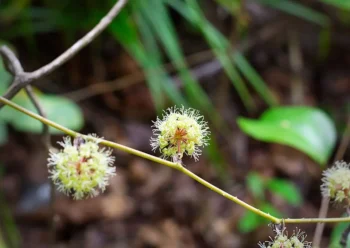
Dense Logwood: What You Need to Know About This Non-Native Shrub
If you’ve stumbled across the name dense logwood in your plant research, you might be wondering what exactly this shrub is all about. The botanical name Xylosma congestum might sound fancy, but this perennial woody plant comes with some important considerations for American gardeners.
The Basics: What Is Dense Logwood?
Dense logwood (Xylosma congestum) is a multi-stemmed shrub that typically grows less than 13 to 16 feet tall. As a perennial plant, it comes back year after year, and like most shrubs, it usually has several stems growing from or near the ground level. You might also see it listed under its synonym, Xylosma senticosum Hance, in some plant references.
Native Status and Distribution
Here’s where things get interesting – and a bit concerning for native plant enthusiasts. Dense logwood is not native to the United States. It’s an introduced species that has managed to establish itself and reproduce on its own in the wild. Currently, it’s been documented growing in Georgia, where it persists without human intervention.
- Species observed
- No observations
Should You Plant Dense Logwood?
This is where we need to have an honest conversation. While dense logwood isn’t currently listed as invasive or noxious, its ability to reproduce spontaneously in the wild raises some red flags. When non-native plants establish themselves without human help, they can potentially compete with native species that local wildlife depends on.
Unfortunately, detailed information about this specific species’ impact on local ecosystems, wildlife benefits, and growing requirements is quite limited in available research. This lack of information makes it difficult to give you the complete picture you need to make an informed decision.
Consider Native Alternatives Instead
Given the uncertainty around dense logwood’s ecological impact and the limited information about its cultivation, you might want to explore native shrub alternatives for your landscape. Native plants offer several advantages:
- They support local wildlife and pollinators
- They’re adapted to local growing conditions
- They typically require less maintenance once established
- They help preserve regional biodiversity
Consider reaching out to your local native plant society or extension office to learn about native shrubs that would thrive in your specific area and growing conditions.
The Bottom Line
While dense logwood might seem like an interesting addition to your garden, the combination of its non-native status, ability to naturalize, and limited available information about its ecological impact suggests it’s worth exploring native alternatives instead. Your local ecosystem – and the wildlife that depends on it – will thank you for choosing plants that truly belong in your region.
Remember, every plant choice we make in our gardens is a vote for the kind of environment we want to create. Why not make that vote count for native biodiversity?