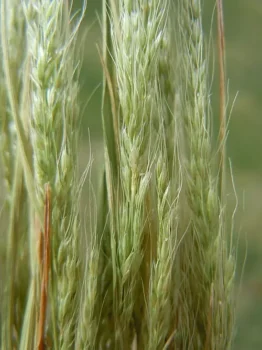
Dense Silkybent: What Every Gardener Should Know About This European Grass
If you’ve spotted a delicate, fine-textured grass popping up in disturbed areas of your garden, you might be looking at dense silkybent (Apera interrupta). This European annual grass has quietly made itself at home across North America, and while it’s not necessarily a garden villain, it’s probably not something you’d want to invite to your landscape party either.
What is Dense Silkybent?
Dense silkybent, scientifically known as Apera interrupta, is a small annual grass that belongs to the same family as lawn grasses and ornamental grasses. You might also see it listed under its old name, Agrostis interrupta. This fine-textured grass is what botanists call a graminoid – essentially a grass or grass-like plant that includes true grasses, sedges, and rushes.
Despite its delicate appearance, this little grass is quite the traveler. Originally from Europe and western Asia, it has successfully established populations across much of North America, from British Columbia down to California and from coast to coast in the United States, even making it to Hawaii.
Where You’ll Find Dense Silkybent
This adaptable grass has spread remarkably wide across North America. You can find established populations in Arizona, California, Colorado, Idaho, Illinois, Indiana, Maine, Massachusetts, Michigan, Missouri, Montana, Nevada, New Jersey, New Mexico, New York, Ohio, Oregon, Utah, Washington, Wisconsin, and Wyoming. It’s also present in the Canadian provinces of British Columbia and Ontario, plus it has even reached Hawaii.
- Species observed
- No observations
Should You Plant Dense Silkybent?
Here’s the thing about dense silkybent – it’s not typically something gardeners choose to plant. While it’s not classified as invasive or noxious, it’s essentially a weedy grass that tends to show up uninvited in disturbed soils, sandy areas, and waste places. Think of it as nature’s way of quickly covering bare ground, but not necessarily in the most attractive way.
If you’re looking for fine-textured grasses for your landscape, you’d be much better served by native alternatives that provide similar aesthetic appeal while supporting local ecosystems. Consider these native options instead:
- Buffalo grass (Poaceae family natives)
- Little bluestem (Schizachyrium scoparium)
- Purple needlegrass (Stipa pulchra) in western regions
- Regional sedges (Carex species)
Growing Conditions and Characteristics
Dense silkybent is remarkably adaptable, which explains its wide distribution. As an annual grass, it completes its entire life cycle in one growing season, typically thriving in:
- Disturbed soils and waste areas
- Sandy or well-draining soils
- Areas with minimal competition from other plants
- USDA hardiness zones 3-10 (though as an annual, it’s more about growing season than winter hardiness)
Managing Dense Silkybent in Your Garden
If dense silkybent has appeared in your garden uninvited, don’t panic. Since it’s an annual, preventing it from setting seed is your best management strategy. Hand-pulling is effective for small populations, especially when the soil is moist. For larger areas, regular mowing before seed set can help reduce future populations.
The key is establishing strong, healthy plantings of desired species that can outcompete this opportunistic grass. A well-maintained lawn or robust native plant community will naturally suppress weedy grasses like dense silkybent.
Wildlife and Ecological Considerations
As a non-native grass, dense silkybent doesn’t provide the same ecological benefits as native grasses. It’s wind-pollinated, so it doesn’t offer significant benefits to pollinators like bees and butterflies. While some birds might nibble on its seeds, native grasses and forbs provide much more valuable wildlife habitat and food sources.
This is another compelling reason to choose native alternatives when planning your landscape – you’ll be supporting local wildlife while creating a more sustainable and regionally appropriate garden.
The Bottom Line
Dense silkybent is one of those plants that’s neither friend nor serious foe – it’s simply there. While it won’t destroy your garden ecosystem, it also won’t enhance it. If you’re deliberately planning your landscape, you’ll find much better options among native grasses that offer superior beauty, wildlife value, and regional appropriateness. Save your garden space for plants that truly earn their keep!