Dentella repens: A Small but Mighty Ground Cover for Wet Spots
If you’ve been searching for a solution to those persistently soggy spots in your garden, you might want to get acquainted with Dentella repens. This tiny creeping plant might not have a catchy common name that rolls off the tongue, but what it lacks in naming pizzazz, it makes up for in its ability to carpet wet areas with dense, green coverage.
What Exactly Is Dentella repens?
Dentella repens is a small, mat-forming herb that’s quite the globe-trotter. Originally from Southeast Asia and various Pacific islands, this little wanderer has made itself at home in places like Guam and Palau, where it now reproduces freely in the wild. It’s what botanists call a naturalized plant – one that’s moved in, settled down, and decided to stay for good.
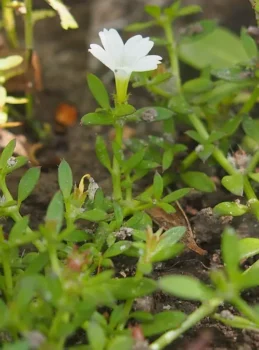
This petite plant produces tiny white flowers and small, oval leaves that create a dense carpet as it creeps along the ground. Think of it as nature’s version of a living mulch that actually enjoys getting its feet wet.
Where Does It Call Home?
Currently, Dentella repens has established populations in Guam and Palau within the Pacific Basin. While it’s not native to these locations, it has adapted well to the local conditions and reproduces without human assistance.
- Species observed
- No observations
The Wet and Wild Lifestyle
Here’s where Dentella repens really shines – it absolutely loves moisture. This plant has earned Facultative Wetland status in several regions, meaning it usually prefers wetland conditions but can occasionally tolerate drier spots. In Hawaii, it’s even more flexible, earning a Facultative rating that means it’s equally happy in wet or moderately dry conditions.
If you have a spot in your garden that stays consistently moist or even occasionally floods, this could be your new best friend.
Growing Dentella repens Successfully
Want to give this little ground cover a try? Here’s what you need to know:
Perfect Growing Conditions
- Light: Partial shade to full sun (quite adaptable)
- Soil: Consistently moist to wet soils
- Climate: Warm, tropical to subtropical conditions (USDA zones 9-11)
- Water: Keep it consistently moist – this plant is not drought-tolerant
Planting and Care Tips
Getting Dentella repens established is relatively straightforward, but there are a few things to keep in mind:
- Plant in spring when temperatures are consistently warm
- Space plants about 6-12 inches apart – they’ll fill in quickly
- Keep the soil consistently moist, especially during establishment
- Be prepared for rapid spreading – this plant can form dense mats relatively quickly
- Consider using barriers or regular trimming to keep it contained if needed
Garden Design Ideas
Dentella repens works beautifully in several garden scenarios:
- Water garden edges: Perfect for transitioning from pond to dry land
- Rain garden floors: Excellent for areas that collect runoff
- Tropical garden ground cover: Fills gaps between larger tropical plants
- Problem area solver: Great for spots where grass won’t grow due to excess moisture
Wildlife and Pollinator Benefits
Those tiny white flowers aren’t just for show – they attract small pollinators including tiny bees and flies. While the flowers are small, they can provide nectar for insects that might otherwise struggle to access larger blooms.
Should You Plant It?
Dentella repens can be a practical solution for challenging wet areas in tropical and subtropical gardens. However, since it’s not native to most areas where it’s grown, you might want to consider native alternatives first. Look for indigenous ground covers that naturally thrive in wet conditions in your region – they’ll likely provide better support for local wildlife and fit more naturally into your ecosystem.
If you do decide to grow Dentella repens, just keep an eye on its spreading habits and be prepared to manage its growth to prevent it from overwhelming other plants in your garden.
The Bottom Line
Dentella repens might not be the flashiest plant in the garden center, but for gardeners dealing with persistently wet areas in warm climates, it offers a practical, low-maintenance solution. Just remember to garden responsibly by considering native alternatives first and keeping this enthusiastic spreader in check once it’s established.