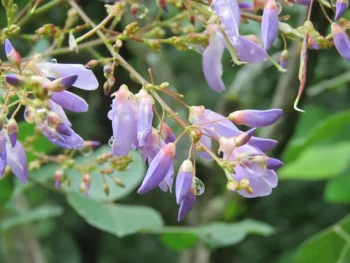
Desmodium elegans: The Mysterious Tick Trefoil
If you’ve stumbled across the name Desmodium elegans in your plant research, you’re not alone in wondering what exactly this species is all about. This member of the legume family (Fabaceae) remains one of the more enigmatic plants in the Desmodium genus, with limited documentation making it a true puzzle piece in the native gardening world.
What We Know (And What We Don’t)
Desmodium elegans, also known by its synonym Desmodium tiliifolium, belongs to the tick trefoil group of plants. However, here’s where things get interesting – and by interesting, we mean frustratingly mysterious. Unlike its well-documented cousins in the Desmodium family, this particular species has managed to stay largely under the radar in horticultural and botanical literature.
The lack of comprehensive information about its native range, growing habits, and garden performance makes it challenging to recommend for home landscapes. We simply don’t have reliable data about where it naturally occurs or how it behaves in cultivation.
The Challenge for Gardeners
For native plant enthusiasts, the unknown status of Desmodium elegans presents a dilemma. Without clear information about:
- Its natural geographic distribution
- Preferred growing conditions
- USDA hardiness zones
- Mature size and growth habit
- Wildlife and pollinator benefits
- Invasive potential
It’s difficult to make an informed decision about whether to include it in your garden.
Better Alternatives for Your Native Garden
Rather than gambling on a species with unknown characteristics, consider these well-documented native Desmodium alternatives:
- Partridge Pea (Desmodium canadense) – Excellent for prairies and wildflower gardens
- Showy Tick Trefoil (Desmodium canadense) – Beautiful pink flowers and great pollinator support
- Illinois Bundleflower (Desmodium illinoense) – Lovely for naturalized areas
These alternatives offer the legume family benefits you’re looking for – nitrogen fixation, pollinator support, and interesting seed pods – while providing predictable garden performance.
If You Encounter This Plant
Should you come across Desmodium elegans in the wild or through specialized plant sources, proceed with caution. Without knowing its growth habits or potential invasiveness, it’s best to:
- Document the location and growing conditions
- Contact local botanists or extension services for identification confirmation
- Avoid collecting or propagating until more is known about the species
The Bottom Line
While the mystery surrounding Desmodium elegans might appeal to plant collectors and botanical detectives, most gardeners will be better served by choosing well-documented native alternatives. Native gardening is most successful when we can predict how plants will perform and integrate into our local ecosystems.
Sometimes the most elegant choice isn’t the plant with elegans in its name – it’s the one we actually understand well enough to grow successfully. Stick with proven native performers until more information becomes available about this elusive tick trefoil.