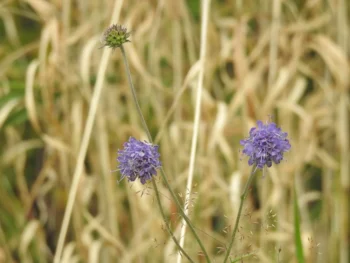
Devilsbit: A Late-Season Bloomer for Your Garden
If you’re looking for a plant with an intriguing name and late-season flowers, devilsbit (Succisa pratensis) might catch your attention. This European native has found its way into North American gardens, bringing with it a touch of old-world charm and some interesting folklore behind its unusual common name.
What is Devilsbit?
Devilsbit is a herbaceous perennial forb that belongs to the honeysuckle family. Despite being listed as an annual in some databases, this plant typically behaves as a perennial in suitable growing conditions. It’s also known by its scientific synonym Scabiosa succisa, which hints at its relationship to the scabious family of plants.
The plant gets its colorful common name from medieval folklore. Legend has it that the devil bit off the plant’s roots in a fit of rage because of its healing properties, leaving behind the characteristically short, stubby root system that gardeners observe today.
Where Does Devilsbit Grow?
Originally from European grasslands and meadows, devilsbit has established itself in several North American locations. You can find it growing in Nova Scotia, Ontario, Quebec, Massachusetts, and Rhode Island. As a non-native species, it has naturalized in these areas and reproduces on its own without human intervention.
- Species observed
- No observations
Garden Appeal and Characteristics
Devilsbit offers several appealing characteristics for gardeners:
- Late-season blooms when many other flowers are fading
- Attractive blue to purple flower heads
- Reaches 1-3 feet in height
- Forms clumps over time
- Self-seeding capability for naturalized areas
The plant produces distinctive rounded flower heads on tall, sturdy stems from late summer into fall. This timing makes it particularly valuable for extending the blooming season in your garden when many other perennials are winding down.
Growing Conditions and Care
Devilsbit is relatively easy to grow and quite adaptable:
- Light: Full sun to partial shade
- Soil: Moist to moderately dry, tolerates various soil types
- Hardiness: USDA zones 4-8
- Maintenance: Low maintenance once established
This plant thrives in meadow-like conditions and doesn’t require rich, fertile soil. In fact, it often performs better in average garden soil than in overly amended beds. Regular watering during establishment is helpful, but mature plants show good drought tolerance.
Planting and Care Tips
Getting devilsbit established in your garden is straightforward:
- Plant in spring or fall
- Space plants 12-18 inches apart
- Water regularly during the first growing season
- Cut back spent flowers to prevent excessive self-seeding if desired
- Divide clumps every 3-4 years to maintain vigor
The plant will self-seed readily, which can be either a blessing or a challenge depending on your garden goals. If you want to control its spread, deadhead the flowers before seeds mature.
Wildlife and Pollinator Benefits
One of devilsbit’s strongest selling points is its value to pollinators. The late-blooming flowers provide nectar when many other sources are scarce, making them particularly attractive to:
- Butterflies, especially late-flying species
- Bees collecting late-season pollen
- Other beneficial insects
Garden Design Ideas
Devilsbit works well in several garden settings:
- Wildflower gardens: Perfect for naturalized plantings
- Cottage gardens: Adds old-fashioned charm
- Meadow gardens: Mimics its native European habitat
- Pollinator gardens: Provides late-season nectar
Should You Plant Devilsbit?
While devilsbit isn’t native to North America, it currently isn’t listed as invasive or problematic in areas where it’s established. However, as environmentally conscious gardeners, it’s worth considering native alternatives that provide similar benefits:
- New England aster (Symphyotrichum novae-angliae) for late purple blooms
- Wild bergamot (Monarda fistulosa) for pollinator appeal
- Joe Pye weed (Eutrochium species) for tall, late-season color
If you choose to grow devilsbit, monitor its behavior in your garden and prevent it from spreading beyond your intended planting area. Its self-seeding nature means it could potentially establish in nearby natural areas.
Final Thoughts
Devilsbit offers gardeners an interesting option for late-season color and pollinator support. While it’s not native to our region, it can be grown responsibly with proper management. Whether you choose this European import or opt for native alternatives, the key is creating gardens that support local ecosystems while bringing you joy throughout the growing season.
Remember, the best garden plant is one that fits your specific conditions, maintenance preferences, and environmental values. Devilsbit might be perfect for your naturalized meadow, or you might decide that native alternatives better serve your garden goals.