Diamond Burbark: A Tropical Shrub for Warm Climate Gardens
Looking for a low-maintenance shrub that can handle tough conditions in your warm climate garden? Diamond burbark (Triumfetta rhomboidea) might just be the resilient plant you’re searching for. This perennial shrub brings a touch of tropical charm to landscapes, though it comes with some important considerations for conscious gardeners.
What is Diamond Burbark?
Diamond burbark is a multi-stemmed woody shrub that typically grows 4-5 meters (13-16 feet) tall, though it can sometimes reach greater heights depending on growing conditions. True to its shrub classification, it develops several stems from near the ground, creating a bushy, informal appearance that works well in naturalistic garden settings.
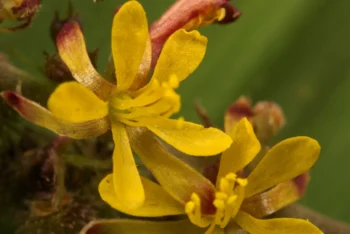
The plant gets its common name from its distinctive diamond-shaped, serrated leaves and its bark texture. Small yellow flowers appear throughout the growing season, followed by burr-like fruits that can stick to clothing and fur – a trait that has helped this plant spread to new locations.
Native Status and Distribution
Here’s where things get interesting: diamond burbark isn’t actually native to the United States. Originally from tropical America, particularly the Caribbean and northern South America, this plant has established itself as a non-native species that reproduces on its own in several U.S. locations. You’ll find it growing in Florida, Hawaii, Puerto Rico, and the U.S. Virgin Islands, where it has naturalized and persists without human intervention.
- Species observed
- No observations
Should You Plant Diamond Burbark?
This is where thoughtful gardening comes into play. While diamond burbark isn’t currently listed as invasive or noxious, its ability to self-seed and establish in the wild means it’s worth considering carefully. If you’re drawn to its resilient nature and tropical appearance, here are some factors to weigh:
- Pros: Extremely low maintenance, drought tolerant, handles poor soils, attracts pollinators
- Considerations: Non-native status, tendency to self-seed, burr-like fruits can be messy
For environmentally conscious gardeners, consider exploring native alternatives that can provide similar benefits while supporting local ecosystems. Native shrubs in your area will offer better wildlife habitat and won’t pose any risk of naturalization.
Growing Conditions and Care
If you decide diamond burbark fits your garden goals, you’ll find it refreshingly easy to grow. This shrub thrives in USDA hardiness zones 9b through 11, making it suitable for the warmest parts of the continental United States and tropical regions.
Ideal growing conditions include:
- Full sun to partial shade exposure
- Well-draining soils (it’s not picky about soil quality)
- Established plants are quite drought tolerant
- Coastal conditions are well-tolerated
Interestingly, diamond burbark shows different wetland preferences depending on location. In the Atlantic and Gulf Coastal Plain regions, it strongly prefers upland conditions and rarely occurs in wetlands. However, in Hawaii, it’s more flexible and can handle both wetland and upland conditions.
Planting and Maintenance Tips
Once established, diamond burbark is remarkably low-maintenance. Here’s how to get the best results:
- Plant in spring after any danger of frost has passed
- Water regularly during the first growing season to establish roots
- Once established, supplemental watering is rarely needed except during extreme drought
- Prune in late winter or early spring to maintain desired shape and size
- Be prepared for self-seeding – remove unwanted seedlings promptly
- The burr-like fruits can be messy, so consider placement carefully
Garden Design Role
Diamond burbark works well as a background shrub in informal, naturalistic landscapes. Its relaxed growth habit makes it less suitable for formal gardens, but perfect for tropical-themed spaces, coastal gardens, or areas where you want a wild look with minimal maintenance. The small yellow flowers provide modest color and attract bees and other small pollinators throughout the growing season.
The Bottom Line
Diamond burbark offers undeniable practical benefits for gardeners in warm climates who want a tough, low-maintenance shrub. However, its non-native status means it’s worth exploring native alternatives first. If you do choose to grow it, be mindful of its self-seeding tendency and consider it part of responsible gardening to prevent any unintended spread beyond your intended planting area.
Whatever you decide, the key to successful gardening is choosing plants that align with both your practical needs and environmental values. Happy gardening!