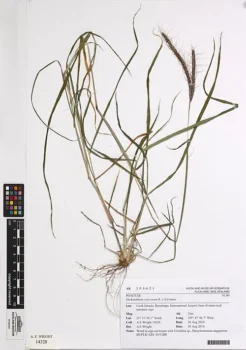
Dichanthium caricosum: The Mysterious Grass Worth Knowing About
Meet Dichanthium caricosum, a grass species that’s something of an enigma in the plant world. While its botanical name might be a mouthful, this member of the grass family (Poaceae) represents one of those plants that reminds us how much we still have to learn about the natural world around us.
What We Know About This Grass
Dichanthium caricosum belongs to the diverse world of graminoids – that’s botanist-speak for grass and grass-like plants. This group includes not just your typical lawn grasses, but also sedges, rushes, and other grass-like species that form the backbone of many ecosystems.
One interesting tidbit we do know is that in Hawaii, this species has a facultative wetland status. What does that mean for gardeners? It’s basically nature’s way of saying this grass is adaptable – it can handle both wet and dry conditions, making it potentially versatile in different landscape settings.
The Geographic Mystery
Here’s where things get interesting (and a bit frustrating for plant enthusiasts): the specific native range and distribution of Dichanthium caricosum isn’t well-documented in readily available sources. This gaps in our knowledge highlight how many plant species, especially grasses, remain understudied despite their ecological importance.
Should You Grow It?
Given the limited information available about this specific species, we’d recommend proceeding with caution. Here’s what to consider:
- Research first: Check with your local extension office or native plant society about this species in your area
- Know your local regulations: Some grass species can become problematic in certain regions
- Consider alternatives: If you’re looking for native grasses, explore well-documented native species in your area first
Growing Conditions (What We Can Guess)
Based on its facultative wetland status and genus characteristics, Dichanthium caricosum likely prefers:
- Warm climates (tropical to subtropical zones)
- Flexible moisture conditions – can handle both wet and moderately dry soils
- Full sun to partial shade
- Well-draining to occasionally wet soils
The Bigger Picture
While we can’t give you a complete growing guide for Dichanthium caricosum, its story illustrates something important: there are still countless plant species that need more research and documentation. If you’re passionate about native plants and grasses, consider connecting with botanical researchers or citizen science projects that help fill these knowledge gaps.
Our Recommendation
Until more is known about Dichanthium caricosum’s specific characteristics, growth requirements, and ecological impacts, we suggest focusing on well-documented native grass species for your landscape projects. Your local native plant society can recommend grasses that will thrive in your area while supporting local wildlife and ecosystems.
Sometimes the most responsible approach to gardening is knowing when to wait for more information – and Dichanthium caricosum might be one of those cases where patience is the best policy.