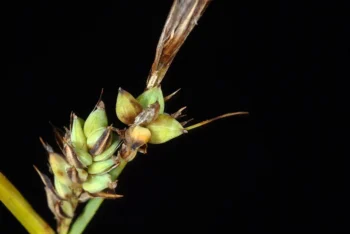
Different-Spike Sedge: A Lesser-Known Sedge Species
If you’ve stumbled across the name different-spike sedge in your plant research, you might be wondering what exactly this sedge is all about. Carex heterostachya, as it’s known scientifically, is one of those plants that keeps a pretty low profile in the gardening world – and for good reason.
What is Different-Spike Sedge?
Different-spike sedge is a perennial grass-like plant that belongs to the sedge family (Cyperaceae). Like its sedge cousins, it’s technically not a true grass, though it certainly looks the part with its narrow, blade-like leaves. The name different-spike sedge likely refers to the varied flower spikes that characterize this species, though detailed descriptions of its appearance are surprisingly hard to come by.
Where Does It Grow?
This sedge is not native to North America but has established itself in at least Illinois, where it reproduces on its own in the wild. As a non-native species that’s naturalized in limited areas, it represents just a tiny fraction of the sedge diversity available to American gardeners.
- Species observed
- No observations
The Challenge with Different-Spike Sedge
Here’s where things get tricky: there’s remarkably little information available about this particular sedge species. We don’t know much about its growing preferences, its garden performance, or even its full native range. This lack of documentation makes it a pretty risky choice for home gardeners who want predictable results.
What we do know is that it’s a non-native species, and while its invasive potential is unclear, this uncertainty alone might give thoughtful gardeners pause.
Better Sedge Alternatives
Instead of gambling on a poorly documented species, why not explore some of the fantastic native sedges that are well-understood and readily available? Here are some crowd-pleasers that might scratch that sedge itch:
- Pennsylvania Sedge (Carex pensylvanica) – Perfect for dry shade and woodland gardens
- Fox Sedge (Carex vulpinoidea) – Great for wet areas and wildlife habitat
- Bottlebrush Sedge (Carex hystericina) – Adds interesting texture with its distinctive seed heads
- Bladder Sedge (Carex intumescens) – Another moisture-loving native with unique inflated fruits
The Bottom Line
While different-spike sedge might sound intriguing, the lack of available growing information and its non-native status make it a less-than-ideal choice for most gardens. With hundreds of well-documented native sedge species to choose from, you’re much better off selecting a sedge that’s both regionally appropriate and comes with a proven track record.
If you’re drawn to sedges (and you should be – they’re fantastic plants!), consider visiting a local native plant nursery or contacting your county extension office. They can point you toward sedge species that are not only beautiful and easy to grow, but also perfectly suited to your local ecosystem.