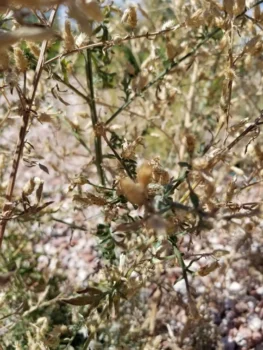
Diffuse Knapweed: An Invasive Species to Avoid in Your Garden
If you’ve stumbled across diffuse knapweed (Centaurea diffusa) in your research or wanderings, you might be wondering whether this flowering plant deserves a spot in your garden. The short answer? Absolutely not. This non-native species has earned itself a reputation as one of North America’s most problematic invasive weeds, and for good reason.
What is Diffuse Knapweed?
Diffuse knapweed, also known as white knapweed, is a herbaceous forb that originally hails from Europe and Asia Minor. Don’t let its delicate-sounding name fool you – this plant is anything but gentle when it comes to taking over landscapes. As an annual to short-lived perennial, it may seem harmless at first glance, but it’s actually a master of rapid colonization.
You might also encounter this plant listed under its scientific synonym, Acosta diffusa, though Centaurea diffusa remains the accepted botanical name.
Where You’ll Find This Unwelcome Guest
Diffuse knapweed has spread its reach far and wide across North America, establishing populations in Alberta, British Columbia, Ontario, Quebec, Saskatchewan, Yukon, and throughout much of the United States including Arizona, California, Colorado, Connecticut, Idaho, Illinois, Indiana, Iowa, Kentucky, Massachusetts, Michigan, Missouri, Montana, Nebraska, Nevada, New Jersey, New Mexico, New York, Ohio, Oregon, Tennessee, Utah, Washington, Wisconsin, and Wyoming.
- Species observed
- No observations
Why This Plant is Trouble
Here’s where things get serious: diffuse knapweed isn’t just unwelcome – it’s actually prohibited in several states. Both New York and Wisconsin have classified it as a prohibited invasive species, meaning it’s illegal to plant, sell, or transport this species. This designation exists because diffuse knapweed:
- Outcompetes native plants for resources
- Forms dense monocultures that reduce biodiversity
- Provides poor habitat value for native wildlife
- Can quickly colonize disturbed areas
- Is extremely difficult to eradicate once established
What Does Diffuse Knapweed Look Like?
Since you’re more likely to encounter this plant as something to remove rather than admire, here’s how to identify it: diffuse knapweed produces small white to pale pink flowers arranged in branched clusters. The plant has a somewhat silvery-green appearance and grows as a forb – meaning it’s an herbaceous plant without woody stems. It thrives in full sun and dry, disturbed soils, making it particularly problematic along roadsides, in pastures, and in areas recovering from disturbance.
Growing Conditions (For Identification Purposes Only)
Understanding where diffuse knapweed thrives can help you identify potential problem areas on your property. This invasive species prefers:
- Full sun exposure
- Dry, well-draining soils
- Disturbed or degraded sites
- USDA hardiness zones 3-9
- Areas with minimal competition from established vegetation
Its drought tolerance and ability to establish quickly in poor soils make it particularly aggressive in areas where native plants might struggle.
What to Do Instead
Rather than planting diffuse knapweed (which, remember, is prohibited in many areas), consider these native alternatives that offer similar aesthetic appeal without the environmental damage:
- Wild bergamot (Monarda fistulosa) for clustered flowers and pollinator appeal
- White prairie aster (Symphyotrichum ericoides) for small white blooms
- Pearly everlasting (Anaphalis margaritacea) for silvery foliage and white flowers
- Native thistles like field thistle (Cirsium discolor) for wildlife benefits
If You Find It on Your Property
Should you discover diffuse knapweed growing on your land, the best course of action is removal. Small populations can be hand-pulled before they set seed, but larger infestations may require professional management. Contact your local extension office or natural resources department for guidance on effective, environmentally responsible removal methods.
The Bottom Line
While diffuse knapweed might attract some pollinators, its negative environmental impacts far outweigh any potential benefits. As responsible gardeners and land stewards, our goal should be to support native ecosystems rather than contribute to their degradation. Save your garden space for native plants that truly belong in your local landscape – your local wildlife will thank you for it.
Remember: when it comes to diffuse knapweed, the best gardening advice is simply don’t. Your local ecosystem – and potentially your wallet, given the legal restrictions – will be better off without this invasive species taking root in your landscape.