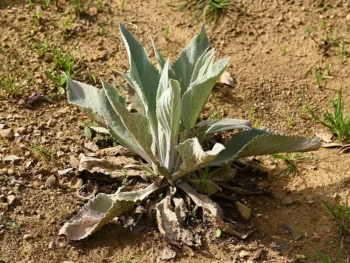
The Mystery of Digitalis mariana: When Plant Names Lead Us Astray
If you’ve stumbled across the name Digitalis mariana in your gardening research, you’re not alone in scratching your head. This particular plant name has been floating around various sources, but here’s the thing – it doesn’t actually exist as a recognized species in the botanical world.
What’s in a Name?
Digitalis mariana appears to be what botanists call a phantom name – a botanical designation that sounds legitimate but doesn’t correspond to any officially recognized plant species. The genus Digitalis is very real and includes beloved garden plants like foxgloves, but mariana isn’t a valid species within this group.
The Real Digitalis Family
The Digitalis genus does include several spectacular species that might be what you’re actually looking for:
- Digitalis purpurea (Common Foxglove) – the classic purple-flowered beauty
- Digitalis grandiflora (Large Yellow Foxglove) – with cheerful yellow blooms
- Digitalis lutea (Straw Foxglove) – featuring pale yellow flowers
- Digitalis ferruginea (Rusty Foxglove) – known for its rusty-colored blooms
What You Might Actually Be Looking For
If you encountered Digitalis mariana in connection with native North American plants, you might actually be thinking of a completely different species. Sometimes plant names get mixed up, especially in online databases or informal sources. Consider whether you might be looking for:
- Native wildflowers with similar flower shapes
- Plants in the snapdragon family (Plantaginaceae)
- Other tubular-flowered native species
Moving Forward in Your Garden
Rather than searching for the elusive Digitalis mariana, consider exploring verified native alternatives that offer similar garden appeal. Many native wildflowers provide the same dramatic vertical interest and pollinator benefits that make foxgloves so popular.
If you’re specifically interested in native plants with tubular flowers that attract hummingbirds and beneficial insects, research species that are actually native to your region. Your local native plant society or extension office can provide reliable recommendations based on your specific location and growing conditions.
The Takeaway
While Digitalis mariana might sound like it should be a real plant, sometimes the gardening world presents us with phantom species that simply don’t exist. When in doubt, always verify plant names through reputable botanical sources, and don’t hesitate to reach out to local experts who can guide you toward the real deals that will thrive in your garden.
Happy gardening, and remember – the best plants are the ones that actually exist!