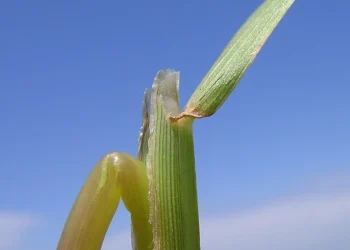
Digitgrass: A Hardy Ground Cover for Challenging Landscapes
If you’re dealing with tough growing conditions and need a resilient ground cover that can handle drought, poor soils, and high temperatures, digitgrass (Digitaria eriantha) might catch your attention. Also known by several other names including pangola, pangolagrass, and pasto pangola, this perennial grass has earned a reputation as a survivor in some of the most challenging landscapes.
What Exactly Is Digitgrass?
Digitgrass is a stoloniferous perennial grass that spreads by runners, creating a dense mat of fine-textured green foliage. It’s not your typical ornamental grass – think more utility than beauty. This hardy species grows in a decumbent (spreading) form, reaching about 2 feet in height at maturity with a moderate growth rate that can accelerate rapidly after cutting or disturbance.
Where Does It Come From and Where Does It Grow?
Originally native to South Africa, digitgrass is now considered a non-native species that has established itself across several U.S. states and territories. You’ll find it growing in Arizona, California, Florida, Hawaii, New Mexico, as well as in Guam, Palau, and Puerto Rico. It reproduces on its own in the wild and has proven quite persistent once established.
- Species observed
- No observations
The Pros and Cons of Growing Digitgrass
Why you might want it:
- Exceptional drought tolerance once established
- Thrives in poor soils with low fertility requirements
- Excellent for erosion control on slopes and disturbed areas
- High fire tolerance makes it suitable for fire-prone regions
- Rapid regrowth after cutting or grazing
- Adapts to various soil textures from clay to sand
Why you might want to skip it:
- Very low ornamental value – flowers and foliage aren’t showy
- Provides minimal benefits to pollinators (wind-pollinated)
- Limited wildlife value compared to native alternatives
- Can be aggressive in spreading via stolons
- Not suitable for formal or decorative garden settings
Growing Conditions and Hardiness
Digitgrass is remarkably adaptable but has some specific preferences. It thrives in USDA hardiness zones 9-11, requiring at least 180 frost-free days per year and temperatures no lower than 17°F. This sun-loving grass cannot tolerate shade and performs best with:
- Full sun exposure
- Well-draining soils with pH between 5.0-7.0
- Annual precipitation between 40-60 inches (though drought tolerant once established)
- Low to moderate fertility soils
One thing to note: digitgrass typically occurs in non-wetland areas but can occasionally tolerate some moisture, earning it a facultative upland wetland status in most regions.
Planting and Care Tips
Unlike many grasses, digitgrass isn’t typically grown from seed. Instead, it’s usually established through sprigs – small pieces of the plant with roots and stems. Here’s how to get started:
- Plant sprigs in spring after the last frost
- Space plantings 11,000-43,000 per acre depending on desired coverage speed
- Ensure soil drains well – digitgrass won’t tolerate waterlogged conditions
- Water regularly during establishment, then reduce as the plant becomes drought tolerant
- Minimal fertilization needed due to low fertility requirements
- Can be mowed or grazed regularly due to rapid regrowth ability
Best Uses in the Landscape
Digitgrass shines in utility applications rather than ornamental ones. Consider it for:
- Erosion control on slopes and embankments
- Ground cover in low-maintenance, drought-prone areas
- Livestock forage in agricultural settings
- Stabilizing disturbed soils in restoration projects
- Fire-resistant ground cover in wildfire-prone regions
Consider Native Alternatives
While digitgrass can be useful in challenging situations, consider exploring native grass options first. Native species will provide better support for local wildlife, pollinators, and ecosystem health. Consult with your local extension office or native plant society for recommendations suited to your specific region and growing conditions.
The Bottom Line
Digitgrass is a tough, no-nonsense ground cover that excels in difficult conditions where other plants might struggle. While it won’t win any beauty contests, it earns its keep through reliability and resilience. If you need practical erosion control or ground stabilization in hot, dry conditions, digitgrass might be worth considering – just don’t expect it to be the star of your ornamental garden!