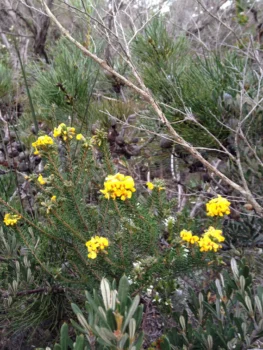
Dillwynia retorta: A Charming Australian Native for Warm Climate Gardens
If you’re looking to add a touch of Australian charm to your garden, Dillwynia retorta might just be the perfect little shrub you’ve been searching for. This delightful native plant brings sunny yellow blooms and interesting texture to landscapes, though it’s definitely got some specific preferences when it comes to where and how it likes to grow.
What Is Dillwynia retorta?
Dillwynia retorta is a compact flowering shrub that’s part of the pea family, native to the eastern regions of Australia. You might occasionally see it listed under its synonym, Dillwynia ericifolia, but don’t let the name confusion fool you – it’s the same delightful plant either way. Unfortunately, this species doesn’t seem to have picked up any widely-used common names, so most gardeners simply refer to it by its botanical name.
Where Does It Come From?
This Australian native calls the eastern coastal regions of New South Wales and Queensland home, where it thrives in the warm, Mediterranean-like climate. In its natural habitat, you’ll find it growing in well-draining soils among other native shrubs and wildflowers.
Why Gardeners Love (or Struggle With) This Plant
There’s plenty to appreciate about Dillwynia retorta, but it’s definitely not a plant for every garden or every gardener. Here’s the honest truth about what you’re getting into:
The Good Stuff
- Cheerful yellow pea-like flowers that brighten up the garden
- Needle-like foliage adds interesting texture and contrast
- Compact size makes it perfect for smaller spaces
- Attracts native bees and other beneficial pollinators
- Drought tolerant once established
- Low maintenance when grown in suitable conditions
The Challenges
- Very specific climate requirements (USDA zones 9-11 only)
- Absolutely must have excellent drainage – will rot in wet soils
- Can be frost-tender, especially when young
- Limited availability outside of Australia and similar climates
Perfect Garden Roles
When grown in the right conditions, Dillwynia retorta shines in several garden situations. It’s fantastic in native Australian plant gardens, where it can mingle with other indigenous species. The plant also works beautifully in Mediterranean-style landscapes, rock gardens, and drought-tolerant plantings. Its compact form makes it an excellent choice for borders, foundation plantings, or even container gardens in appropriate climates.
Growing Conditions That Make It Happy
Success with Dillwynia retorta really comes down to mimicking its natural Australian habitat. Here’s what this plant craves:
- Climate: Warm temperatures year-round (USDA zones 9-11)
- Sunlight: Full sun to partial shade
- Soil: Well-draining soil is absolutely critical – think sandy or rocky rather than clay
- Water: Drought tolerant once established, but benefits from occasional deep watering during dry spells
- Humidity: Prefers lower humidity levels
Planting and Care Tips
Getting your Dillwynia retorta off to a good start is half the battle. Here are some practical tips for success:
Planting
- Choose a location with excellent drainage – if water pools after rain, pick somewhere else
- Consider planting on a slope or in a raised bed if drainage is questionable
- Space plants according to their mature size (typically 2-4 feet wide)
- Plant in spring after any frost danger has passed
Ongoing Care
- Water regularly the first year to establish roots, then reduce frequency
- Apply a light mulch but keep it away from the plant’s base
- Prune lightly after flowering to maintain shape
- Avoid fertilizing heavily – these plants prefer lean soils
- Protect from frost when young
Wildlife and Pollinator Benefits
One of the best reasons to grow Dillwynia retorta is its appeal to beneficial insects. The bright yellow flowers are particularly attractive to native bees and other small pollinators. While it may not support as diverse a range of wildlife as some larger native plants, every little bit helps in creating a more ecologically friendly garden.
Is This Plant Right for Your Garden?
Dillwynia retorta is definitely a specialist plant that works best for gardeners in warm, dry climates who appreciate native Australian flora. If you live in USDA zones 9-11 and have well-draining soil, this charming little shrub could be a wonderful addition to your landscape.
However, if you’re in a cooler climate or dealing with heavy, wet soils, you’ll probably want to skip this one and look for native alternatives that are better suited to your local conditions. Remember, the most successful gardens work with nature rather than against it!
For gardeners in appropriate climates looking to support local ecosystems, consider researching native plants indigenous to your specific region alongside or instead of this Australian species. Your local native plant society can be an excellent resource for finding beautiful alternatives that will thrive in your particular corner of the world.