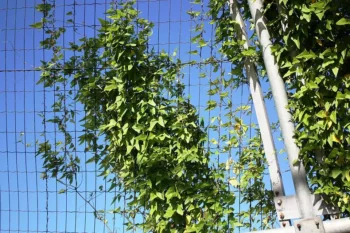
Dipogon: A Little-Known Non-Native Perennial
If you’ve stumbled across the name dipogon in your gardening research, you might be scratching your head wondering what exactly this plant is all about. Don’t worry – you’re not alone! Dipogon is one of those botanical names that doesn’t get much spotlight in the gardening world, and there’s a good reason for that.
What is Dipogon?
Dipogon is a perennial forb – basically a non-woody plant that comes back year after year. Think of it as an herbaceous plant that lacks the woody stems you’d find on shrubs or trees. Instead, it keeps its growing points at or below ground level, allowing it to survive through seasons and pop back up when conditions are right.
Where Does Dipogon Grow?
Currently, Dipogon has been documented growing in California. As a non-native species, it didn’t originally call North America home, but it has managed to establish itself and reproduce on its own in the wild without human intervention.
- Species observed
- No observations
The Mystery Plant Challenge
Here’s where things get interesting (and a bit frustrating for us plant nerds): there’s surprisingly little detailed information readily available about Dipogon as a genus. We know it exists, we know it’s a perennial herb, and we know where it’s been spotted, but the specifics about its appearance, growing requirements, and garden potential remain largely mysterious.
Should You Plant Dipogon?
Given the limited information available about this non-native plant, it’s hard to make a strong case for or against growing Dipogon in your garden. While it’s not currently flagged as invasive or noxious, the lack of detailed information about its growth habits, spreading tendencies, and ecological impact makes it difficult to recommend with confidence.
Better Alternatives: Go Native!
Since we’re all about supporting local ecosystems and wildlife, why not consider some fantastic native perennial forbs instead? California has an incredible diversity of native herbaceous perennials that are:
- Well-adapted to local growing conditions
- Supportive of native wildlife and pollinators
- Often more drought-tolerant once established
- Better documented for garden use
Some wonderful native California perennial forbs to consider include native wildflowers, native grasses, and other herbaceous perennials that have co-evolved with your local ecosystem.
The Bottom Line
While Dipogon might be growing somewhere in California, its garden potential remains largely untapped and undocumented. For gardeners looking to create beautiful, sustainable landscapes, focusing on well-researched native alternatives is usually the safer and more ecologically beneficial bet. Your local native plant society or extension office can help you discover the amazing native perennial forbs that are perfect for your specific area!