Disc Mayweed: The Humble Annual with a Sweet Secret
Meet disc mayweed (Matricaria discoidea), a petite annual that might not win any beauty contests but has quietly made itself at home across North America. This unassuming little plant has an interesting story and a surprising characteristic that sets it apart from its showier garden neighbors.
What is Disc Mayweed?
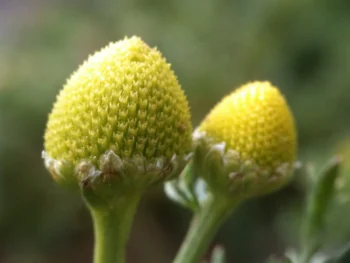
Disc mayweed is a small annual forb that belongs to the sunflower family. Unlike its daisy relatives, this plant produces tiny greenish-yellow flowers that lack the familiar white petals we associate with many members of this plant family. The flowers appear as small, button-like discs clustered at the tips of branching stems, giving the plant its common name.
What makes disc mayweed truly distinctive is its delightful fragrance. When you brush against the feathery, finely-divided leaves or crush them between your fingers, they release a sweet, pineapple-like scent that’s surprisingly pleasant for such a modest-looking plant.
Native Status and Distribution
Disc mayweed is a non-native species that has been introduced and naturalized throughout North America. Originally from northeastern Asia and possibly northwestern North America, this adaptable annual has established itself across all 50 US states, most Canadian provinces, and Alaska. It reproduces freely in the wild and has become a permanent part of the North American flora.
- Species observed
- No observations
Should You Grow Disc Mayweed?
The answer depends on what you’re looking for in your garden. Here are some considerations:
Reasons You Might Want to Grow It:
- Extremely low maintenance – this plant thrives on neglect
- Grows in poor soils where other plants struggle
- Pleasant fragrance when brushed against or crushed
- Self-seeding annual that fills gaps naturally
- Drought tolerant once established
- Provides some pollinator resources for small insects
Reasons You Might Want to Skip It:
- Not particularly ornamental or eye-catching
- Can become weedy and spread aggressively
- Limited wildlife value compared to native alternatives
- May crowd out more desirable plants
Growing Conditions and Care
If you decide to give disc mayweed a try, you’ll find it refreshingly easy to grow. This adaptable plant has facultative upland status across all regions, meaning it usually grows in non-wetland areas but can tolerate some moisture.
Preferred Conditions:
- Sunlight: Full sun to partial shade
- Soil: Adaptable to various soil types, including poor, disturbed, or compacted soils
- Water: Drought tolerant; prefers well-drained conditions
- Hardiness: Annual plant that grows in USDA zones 2-10
Planting and Care Tips
Disc mayweed is one of those plants that practically grows itself. As a self-seeding annual, it will likely appear in your garden whether you plant it intentionally or not. Here’s what you need to know:
- Seeds can be directly sown in spring or fall
- No special soil preparation needed
- Water lightly until established, then leave it alone
- Deadhead flowers to prevent excessive self-seeding
- Pull up unwanted seedlings in spring
Garden Role and Design Ideas
Disc mayweed works best in informal garden settings where its modest appearance and spreading habit won’t compete with more ornamental plants. Consider using it in:
- Naturalized areas and meadow gardens
- Along pathways where its fragrance can be appreciated
- Fill-in spaces in rock gardens
- Areas with poor soil where other plants struggle
Consider Native Alternatives
While disc mayweed isn’t considered invasive, you might want to consider native alternatives that provide similar benefits with greater wildlife value. Look for native annual forbs in your region that offer:
- Ground cover capabilities
- Tolerance for poor soils
- Pollinator resources
- Self-seeding habit
The Bottom Line
Disc mayweed is a plant that grows on you – quite literally, since it tends to self-seed enthusiastically. While it won’t be the star of your garden, it has its place as a low-maintenance gap-filler with a surprisingly sweet personality. Whether you choose to welcome it or weed it out depends on your gardening style and tolerance for plants that make themselves at home without an invitation.
If you appreciate plants with character over conventional beauty, and you have spaces where nothing else seems to thrive, disc mayweed might just be the humble hero your garden needs.