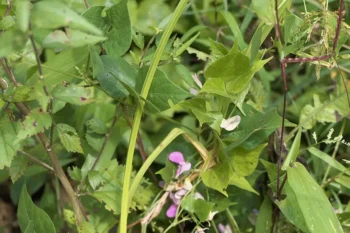
Dolichos trilobus: A Mysterious Member of the Bean Family
If you’ve stumbled upon the name Dolichos trilobus in your plant research, you’re not alone in finding yourself scratching your head. This enigmatic member of the legume family has become something of a botanical puzzle, leaving even experienced gardeners wondering what exactly they’re dealing with.
What We Know (And What We Don’t)
Dolichos trilobus belongs to a genus that has seen more name changes than a witness protection program participant. The plant world knows it by the synonym Dolichos falcatus Klein ex Willd., but that doesn’t make things much clearer for us ground-level gardeners.
Here’s the honest truth: reliable information about this specific plant is surprisingly scarce. While we know it’s part of the legume family (think beans and peas), details about its appearance, growing habits, and native range remain largely mysterious in readily available horticultural sources.
The Great Dolichos Shuffle
The genus Dolichos has undergone massive taxonomic reshuffling over the years. Many plants once called Dolichos have been moved to other genera like:
- Lablab (like the hyacinth bean)
- Vigna (various cowpeas and yard-long beans)
- Macrotyloma (horse gram and related species)
This means that Dolichos trilobus might actually be living under an assumed name in modern plant catalogs and databases.
Should You Try to Grow It?
Given the limited information available, growing Dolichos trilobus presents some real challenges:
- Sourcing seeds or plants may be extremely difficult
- Growing requirements are unclear
- You can’t be certain of its mature size or appearance
- Climate suitability is unknown
Better Alternatives to Consider
Instead of chasing this botanical ghost, consider these well-documented and readily available leguminous vines:
- Lablab purpureus (Hyacinth Bean) – Beautiful purple flowers and pods
- Vigna caracalla (Snail Vine) – Unique spiral flowers
- Native wild beans specific to your region
If You’re Determined to Investigate
Should you encounter seeds or plants labeled as Dolichos trilobus, approach with the curiosity of a plant detective:
- Verify the source and ask for detailed growing information
- Start small with just a few plants
- Document everything – you might be contributing to botanical knowledge
- Connect with botanical gardens or universities that might be interested in your findings
The Bottom Line
Sometimes the most honest gardening advice is admitting when we don’t have all the answers. Dolichos trilobus appears to be one of those plants that exists more in botanical literature than in actual gardens. While the mystery might appeal to adventurous gardeners, most of us are better served by choosing well-documented plants that we know will thrive in our specific conditions.
If you’re drawn to unusual legumes, explore the many fascinating and well-understood species in related genera. Your garden (and your sanity) will thank you for choosing plants with clear growing instructions and reliable sources.