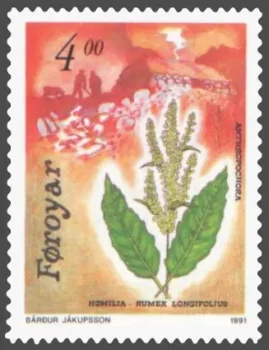
Dooryard Dock: A Hardy Non-Native Perennial for Naturalized Gardens
If you’ve ever wondered about that tall, leafy plant with reddish-brown seed heads growing along roadsides or in abandoned lots, you’ve likely encountered dooryard dock (Rumex longifolius). This robust perennial herb has made itself quite at home across much of North America, despite its European origins.
What is Dooryard Dock?
Dooryard dock, scientifically known as Rumex longifolius, is a perennial forb that belongs to the buckwheat family. As a forb, it’s an herbaceous plant without significant woody tissue, meaning it dies back to the ground each winter and regrows from its root system the following spring. You might also see it listed under its synonym Rumex domesticus in some older botanical references.
Native Status and Geographic Distribution
While dooryard dock has become a familiar sight across North America, it’s important to know that this species is not native to our continent. Originally from northern Europe and Asia, it has naturalized throughout much of Canada and the northern United States, establishing self-sustaining populations from coast to coast.
You can find dooryard dock thriving in diverse locations including Alaska, most Canadian provinces (Alberta, British Columbia, Manitoba, New Brunswick, Nova Scotia, Ontario, Prince Edward Island, Quebec, Saskatchewan, and Yukon), and numerous U.S. states primarily in the northern regions (Connecticut, Illinois, Maine, Massachusetts, Michigan, Minnesota, New Hampshire, New York, North Dakota, Rhode Island, Vermont, and Wisconsin).
- Species observed
- No observations
Should You Plant Dooryard Dock?
Here’s where things get interesting. While dooryard dock isn’t officially listed as invasive, it’s definitely a plant that knows how to make itself at home. Here are some considerations:
Reasons you might want it:
- Extremely hardy and low-maintenance
- Tolerates poor soils and challenging conditions
- Provides late-season structure with attractive seed heads
- Good for naturalizing disturbed areas
- Edible leaves when young (though quite tart)
Reasons you might want to skip it:
- Can spread aggressively through self-seeding
- Takes up considerable space (can reach 3-4 feet tall and wide)
- Not particularly ornamental
- Being non-native, it provides limited ecological benefits
Growing Conditions and Care
If you decide to grow dooryard dock, you’ll find it refreshingly undemanding. This adaptable plant thrives in USDA hardiness zones 3-8 and has a facultative wetland status, meaning it’s equally happy in moist or dry conditions.
Preferred growing conditions:
- Full sun to partial shade
- Various soil types, from sandy to clay
- Moist to moderately dry conditions
- pH adaptable
Planting and care tips:
- Sow seeds in spring or fall
- Space plants 2-3 feet apart
- Water occasionally during establishment
- Remove seed heads if you want to prevent self-seeding
- Divide established clumps every few years if desired
Landscape Role and Design Ideas
Dooryard dock works best in informal, naturalized settings rather than formal garden beds. Consider it for:
- Wild or meadow gardens
- Disturbed area restoration
- Back-of-border plantings
- Transitional zones between cultivated and wild areas
Wildlife and Pollinator Benefits
While dooryard dock does produce flowers, they’re primarily wind-pollinated and offer minimal benefits to pollinators. The seeds may provide some food for birds, but overall, its wildlife value is limited compared to native alternatives.
Native Alternatives to Consider
If you’re looking for native plants with similar characteristics, consider these alternatives:
- Wild ginger (Asarum canadense) for groundcover
- Wild bergamot (Monarda fistulosa) for tall perennial structure
- Native sedges (Carex species) for similar foliage texture
- Elderberry (Sambucus canadensis) for naturalized areas
The Bottom Line
Dooryard dock is a hardy, no-fuss perennial that can fill a niche in naturalized gardens or challenging growing conditions. While it’s not invasive, its non-native status and aggressive self-seeding habit mean it’s worth considering native alternatives that provide greater ecological benefits. If you do choose to grow it, simply be mindful of its spreading tendencies and enjoy its rustic charm in informal garden settings.