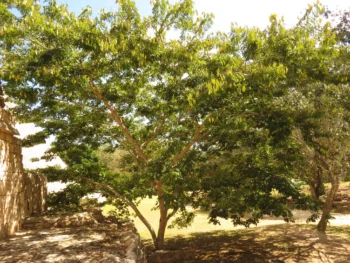
Dotted Lancepod: A Non-Native Tree for Florida Gardens
If you’re exploring tree options for your Florida landscape, you might come across the dotted lancepod (Lonchocarpus punctatus). This non-native tree has made itself at home in the Sunshine State, but before you decide whether it belongs in your garden, let’s dive into what makes this species tick.
What Is Dotted Lancepod?
The dotted lancepod is a perennial tree that typically grows as a single-stemmed woody plant reaching heights greater than 13 to 16 feet. Like many trees, it can sometimes develop multiple stems or stay shorter under certain environmental conditions, but it generally maintains that classic tree form we all recognize.
This species goes by the botanical name Lonchocarpus punctatus and belongs to the legume family. While it’s not originally from Florida, it has established itself quite successfully in the state, reproducing on its own without human intervention.
Where You’ll Find It
Currently, dotted lancepod has been documented growing in Florida, where it’s considered an introduced species that has naturalized. The tree originally comes from other regions but has adapted well to Florida’s climate and growing conditions.
- Species observed
- No observations
Should You Plant Dotted Lancepod?
Here’s where things get interesting. While dotted lancepod isn’t classified as invasive or noxious (based on available data), it is a non-native species. This means it doesn’t provide the same ecological benefits that native Florida trees offer to local wildlife, pollinators, and the broader ecosystem.
If you’re drawn to this tree, consider these factors:
- It’s established itself successfully in Florida, suggesting it’s well-adapted to the climate
- As a non-native species, it may not support native wildlife as effectively as indigenous trees
- Limited information is available about its specific growing requirements and maintenance needs
Native Alternatives to Consider
Before settling on dotted lancepod, you might want to explore some fantastic native Florida trees that will better support your local ecosystem:
- Live oak (Quercus virginiana) – A majestic, long-lived native that supports hundreds of butterfly and moth species
- Bald cypress (Taxodium distichum) – Perfect for wetter areas and absolutely stunning in fall
- Firebush (Hamelia patens) – Attracts hummingbirds and butterflies while providing year-round interest
- Beautyberry (Callicarpa americana) – Offers gorgeous purple berries that birds adore
Growing Considerations
If you do decide to work with dotted lancepod, keep in mind that detailed growing information for this species is limited. As with most trees, you’ll want to consider:
- Adequate space for mature size (over 13-16 feet tall)
- Soil conditions and drainage requirements
- Sun exposure preferences
- Watering needs, especially during establishment
Since this is a non-native species with limited cultivation information available, you might want to consult with local extension services or experienced arborists before planting.
The Bottom Line
While dotted lancepod has proven it can thrive in Florida, choosing native species will always be your best bet for creating a landscape that truly supports local wildlife and requires less maintenance. Native plants have evolved alongside local pollinators, birds, and other wildlife, creating relationships that non-native species simply can’t replicate.
If you’re set on adding new trees to your landscape, consider starting with proven native species that will give you beautiful results while supporting the incredible biodiversity that makes Florida special. Your local wildlife—and your future self—will thank you for it!