Drooping She-Oak: A Graceful Australian Native Worth Considering
If you’re looking for a tree that marries elegance with resilience, the drooping she-oak (Allocasuarina verticillata) might just capture your gardening heart. This distinctive Australian native brings a unique weeping silhouette to landscapes, making it a conversation starter in any garden setting.
What Makes the Drooping She-Oak Special?
Don’t let the name fool you – this isn’t actually an oak at all! The drooping she-oak gets its common name from its drooping, needle-like foliage that creates an almost willow-like appearance. Also known by its former scientific name Casuarina stricta, this tree has a personality all its own.
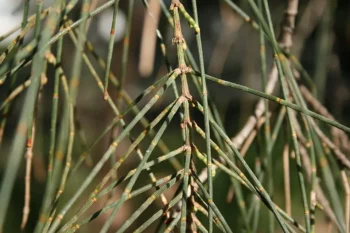
What really sets this tree apart is its graceful, pendulous branches that sway beautifully in the breeze. The fine, segmented branchlets give it an almost feathery texture, while small cone-like fruits add seasonal interest. It’s like having a piece of the Australian outback right in your backyard!
Where Does It Come From?
The drooping she-oak calls southeastern Australia home, thriving naturally across Victoria, South Australia, Tasmania, and parts of southern New South Wales. In these regions, it’s perfectly adapted to the local climate and plays an important role in native ecosystems.
Should You Plant a Drooping She-Oak?
Here’s where things get interesting for gardeners outside of Australia. While this tree isn’t invasive or noxious, it’s worth considering whether it’s the best choice for your local ecosystem. If you’re gardening in USDA zones 8-10 and love the idea of this unique specimen, it can certainly work – but you might also want to explore native alternatives that provide similar benefits to local wildlife.
Garden Role and Design Potential
The drooping she-oak shines as:
- A stunning specimen tree for large gardens
- An effective windbreak or privacy screen
- An erosion control solution on slopes
- A focal point in drought-tolerant landscapes
- A perfect fit for native Australian garden themes
Growing Conditions and Care
One of the best things about drooping she-oak is how easygoing it can be once established. Here’s what it loves:
- Sunlight: Full sun to partial shade
- Soil: Well-draining soils (this is crucial!)
- Water: Drought tolerant once established
- Climate: USDA zones 8-10
Planting and Care Tips
Getting your drooping she-oak off to a good start is pretty straightforward:
- Choose a spot with excellent drainage – waterlogged roots are this tree’s biggest enemy
- Give it space to spread as it matures
- Water regularly during the first year, then back off as it establishes
- Skip the fertilizer – she-oaks actually prefer nutrient-poor soils
- Prune lightly if needed, but this tree generally maintains its shape naturally
Wildlife and Pollinator Considerations
While the drooping she-oak is wind-pollinated (so it won’t be buzzing with bees), it does provide habitat and nesting sites for birds in its native range. If you’re outside Australia, consider how it might fit into your local ecosystem and whether native alternatives might better serve your area’s wildlife.
The Bottom Line
The drooping she-oak is undeniably beautiful and relatively easy to grow in the right conditions. If you’re in Australia or have fallen head-over-heels for its unique charm and your climate suits it, go for it! Just remember that the best gardens work with nature, not against it. Whether that means choosing this Australian beauty or exploring native alternatives in your area, the most important thing is creating a landscape that thrives and supports the world around it.