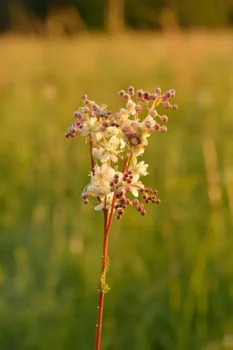
Dropwort: A Charming European Perennial for North American Gardens
If you’re looking for a delicate, cottage garden-style perennial that won’t demand much fuss, dropwort might just catch your eye. This European native has quietly made itself at home in parts of North America, bringing along its frothy white flowers and fern-like foliage that gardeners either stumble upon by accident or seek out for its old-world charm.
What Exactly Is Dropwort?
Dropwort (Filipendula vulgaris) is a herbaceous perennial forb—basically a fancy way of saying it’s a non-woody plant that comes back year after year. You might also see it listed under its synonym Filipendula hexapetala, but don’t let that confuse you; it’s the same plant with the same lovely characteristics.
This modest little plant typically reaches about 1-2 feet in both height and width, making it a perfect size for borders or naturalizing in larger spaces without taking over your entire garden bed.
Where You’ll Find Dropwort Growing Wild
While dropwort isn’t native to North America, it has established itself as a non-native species that reproduces on its own in several regions. You can find naturalized populations scattered across California, Nova Scotia, Ontario, Connecticut, Maine, Massachusetts, New York, Vermont, and Newfoundland. It’s one of those plants that arrived from Europe and decided to stick around—and honestly, who can blame it?
- Species observed
- No observations
The Appeal: Why Gardeners Fall for Dropwort
There’s something undeniably romantic about dropwort’s appearance. In summer, it produces clusters of creamy-white, six-petaled flowers that seem to float above the foliage like tiny stars. The real showstopper, though, might be the leaves—deeply divided and fern-like, they create an airy, textural backdrop that looks good even when the plant isn’t blooming.
This is a plant that knows how to play well with others, never hogging the spotlight but always contributing something special to the garden composition.
Where Dropwort Shines in Your Landscape
Dropwort works beautifully in several garden scenarios:
- Cottage gardens where its delicate flowers complement other informal perennials
- Wildflower meadows or naturalized areas
- Rock gardens where its compact size and drought tolerance are assets
- Mixed perennial borders as a textural element
- Areas where you want ground cover that’s interesting but not aggressive
Growing Conditions: What Makes Dropwort Happy
One of dropwort’s best qualities is that it’s relatively low-maintenance once you understand its preferences. This plant thrives in USDA hardiness zones 3-8, making it suitable for a wide range of climates.
For optimal growth, provide:
- Full sun to partial shade (though it flowers best with plenty of sun)
- Well-drained soil—it particularly loves alkaline to neutral conditions
- Moderate watering during establishment, then it becomes quite drought tolerant
- Space plants about 12-18 inches apart to allow for natural spread
Planting and Care Tips
The best time to plant dropwort is in spring or fall when temperatures are moderate. Once established, this perennial is refreshingly undemanding. It may self-seed if conditions are right, but it’s not aggressive about it—think gentle naturalization rather than garden takeover.
During its first year, provide regular water to help the root system establish. After that, dropwort is quite content with minimal intervention, making it perfect for gardeners who prefer plants that don’t require constant attention.
Benefits to Pollinators and Wildlife
Dropwort’s nectar-rich flowers are a welcome sight for bees, butterflies, and other pollinators during its summer blooming period. The flowers provide a reliable food source when many spring bloomers have finished their show but summer’s main event hasn’t quite begun.
Should You Plant Dropwort?
Since dropwort is non-native to North America, it’s worth considering native alternatives that could provide similar benefits while supporting local ecosystems more directly. Native plants like wild bergamot (Monarda fistulosa), white wild indigo (Amorpha alba), or local Filipendula species might offer comparable beauty with greater ecological value.
That said, dropwort isn’t known to be invasive or problematic, so if its particular charm speaks to you—especially for cottage garden or European-style landscape themes—it can be a lovely addition to your garden palette.
Whether you choose dropwort or explore native alternatives, the key is selecting plants that will thrive in your specific conditions while contributing to the kind of garden that brings you joy. Sometimes the most rewarding gardens are those that mix thoughtful plant choices with a dash of personal preference and a good understanding of what grows well where you are.