Ducklettuce: Why This Aquatic Plant Should Stay Out of Your Water Garden
If you’re planning a water feature for your garden, you might come across ducklettuce (Ottelia alismoides) in your research. While this aquatic plant might seem like an attractive option for ponds and water gardens, there’s a big reason why you should steer clear: it’s an invasive species that can wreak havoc on local waterways.
What Is Ducklettuce?
Ducklettuce is a perennial aquatic forb that spends its life completely or mostly submerged in freshwater. Originally native to Asia and Australia, this non-native plant has found its way into several U.S. states and established self-sustaining populations. The plant is also known by its scientific name, Ottelia alismoides, and has the synonym Stratiotes alismoides.
Where You’ll Find It (Unfortunately)
Currently, ducklettuce has established populations in California, Louisiana, Missouri, and Texas. However, its ability to spread means it could potentially show up in other states as well.
- Species observed
- No observations
Why Ducklettuce Is a Problem
Here’s where things get serious: ducklettuce is classified as a noxious weed at the federal level and is prohibited in Wisconsin. This isn’t just bureaucratic red tape – these classifications exist because this plant poses real threats to our native ecosystems.
As an obligate wetland species, ducklettuce thrives in aquatic environments across all U.S. regions, from the Arid West to the Atlantic and Gulf Coastal Plains. Once established, it can outcompete native aquatic plants and disrupt the delicate balance of wetland ecosystems.
What Does It Look Like?
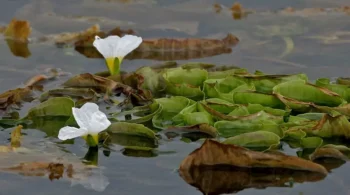
Ducklettuce is a submerged aquatic plant with ribbon-like leaves that can help you identify it in the wild. The plant produces small white flowers that float on the water’s surface, which might seem charming but should actually serve as a red flag if you spot them in local waterways.
Our Strong Recommendation: Don’t Plant It
We cannot emphasize this enough: please do not plant ducklettuce in your water garden, pond, or any other aquatic feature. Its invasive nature means it can easily escape cultivation and establish itself in nearby natural waterways, where it can cause significant ecological damage.
Better Alternatives for Your Water Garden
Instead of risking ecological harm with ducklettuce, consider these native aquatic plants that will provide beauty without the environmental concerns:
- Native water lilies (Nymphaea species)
- Arrowhead (Sagittaria species)
- Wild celery (Vallisneria americana)
- Native pondweeds (Potamogeton species)
- Water hyacinth alternatives like pickerel rush (Pontederia cordata)
What to Do If You Spot It
If you encounter ducklettuce in the wild or suspect you have it in an existing water feature, contact your local extension office or natural resources department. They can provide guidance on proper identification and removal methods that won’t inadvertently spread the plant to new locations.
The Bottom Line
While ducklettuce might seem like an innocent aquatic plant, its invasive nature and noxious weed status make it a poor choice for any garden setting. By choosing native alternatives instead, you’ll create a beautiful water feature that supports local wildlife and ecosystems rather than threatening them. Remember: the best gardens are those that work in harmony with nature, not against it.