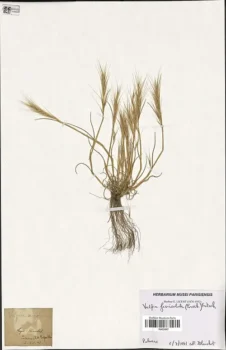
Dune Fescue: A Coastal Native Grass for Specialized Gardens
If you’re looking for a grass that thrives where others fail, meet dune fescue (Vulpia fasciculata). This unassuming little native might not win any beauty contests, but it’s a champion when it comes to growing in challenging sandy conditions where few other plants dare to venture.
What Is Dune Fescue?
Dune fescue is a delicate annual grass native to the western coast of North America. You’ll find this hardy little survivor naturally growing from British Columbia down to California, particularly in coastal areas where sandy soils and salt spray would send most plants packing. Also known by the synonym Vulpia membranacea in some older references, this grass has earned its place as a specialized native for unique growing conditions.
As a member of the grass family, dune fescue produces fine-textured foliage and airy seed heads that add a subtle, naturalistic texture to the landscape. While it won’t provide the bold statement of ornamental grasses like fountain grass, its understated charm lies in its ability to colonize and stabilize difficult sites.
Where Does Dune Fescue Grow?
This coastal native thrives along the Pacific coastline, where it plays an important ecological role in dune stabilization and coastal ecosystem health. You’ll spot it growing wild on sandy beaches, coastal bluffs, and disturbed sandy soils near the ocean.
Should You Grow Dune Fescue in Your Garden?
The answer depends entirely on what you’re trying to achieve and where you’re gardening. Dune fescue isn’t for everyone, but it shines in specific situations:
Perfect For:
- Coastal gardens with sandy, well-draining soil
- Erosion control on slopes with poor soil
- Naturalized meadow areas
- Xeriscape and drought-tolerant landscaping
- Native plant restoration projects
- Gardens in USDA hardiness zones 7-10
Skip It If:
- You have heavy clay or consistently moist soil
- You’re looking for a lush, traditional lawn grass
- You want a long-lived perennial grass
- You garden outside its native range without a specific restoration purpose
Growing Dune Fescue Successfully
The secret to success with dune fescue is remembering that it’s adapted to harsh, lean conditions. Trying to pamper it with rich soil and regular watering will likely backfire.
Ideal Growing Conditions:
- Soil: Sandy, well-draining soil with low fertility
- Sunlight: Full sun exposure
- Water: Drought tolerant once established; avoid overwatering
- Climate: Coastal or Mediterranean climates preferred
Planting and Care Tips:
- Direct seed in fall or early spring for best results
- Scatter seeds over prepared sandy soil and rake lightly
- Water gently until germination, then reduce watering
- No fertilizer needed – this grass prefers lean conditions
- Allow plants to self-seed for natural regeneration
- Minimal maintenance required once established
Wildlife and Ecological Benefits
While dune fescue may seem modest, it provides important ecological services. As a wind-pollinated grass, it doesn’t directly attract pollinators, but it does offer habitat structure for small wildlife and insects. Its primary ecological value lies in soil stabilization and its role in coastal plant communities.
Design Ideas and Garden Roles
Think of dune fescue as nature’s groundcover for impossible sites. It works beautifully when allowed to naturalize in areas where you want a low-maintenance, native grass cover. Consider using it in:
- Coastal restoration projects
- Transition zones between cultivated and wild areas
- Erosion-prone slopes with sandy soil
- Low-water meadow plantings mixed with other coastal natives
The Bottom Line
Dune fescue won’t transform your garden into a showstopper, but it will quietly do an important job where other plants struggle. If you have sandy, challenging growing conditions in its native range, this little grass could be exactly what you need. It’s proof that sometimes the most valuable plants are the ones that work behind the scenes, holding everything together when conditions get tough.
Remember, the key to success with any native plant is matching it to the right conditions. Dune fescue rewards gardeners who understand and appreciate its specialized nature rather than trying to force it into unsuitable situations.