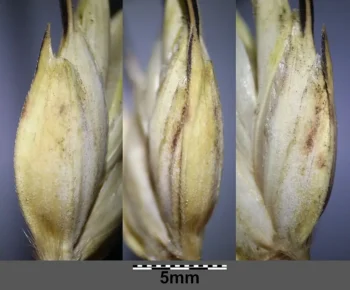
Durum Wheat: The Golden Grain That’s More Farm Than Garden
If you’ve ever twirled a fork full of perfectly al dente pasta, you’ve likely encountered durum wheat (Triticum durum) – just not in the way you might expect to find it in your backyard garden. This golden-hued grain is the backbone of pasta production worldwide, but does it belong in your landscape? Let’s dig into this interesting grass and explore whether it deserves a spot in your garden plans.
What Exactly Is Durum Wheat?
Durum wheat, scientifically known as Triticum durum, is an annual grass that belongs to the same family as your lawn – though it’s considerably more useful in the kitchen! This hardy grain crop is also known by the synonym Triticum pyramidale Percival, and it’s characterized by its distinctive amber-colored kernels and robust growth habit.
As a graminoid (that’s fancy talk for grass-like plant), durum wheat shares family ties with other grasses, sedges, and rushes. But unlike your typical lawn grass, this annual puts on quite a show with tall, swaying stalks topped with dense, wheat-bearing heads.
Where Does Durum Wheat Call Home?
Here’s where things get interesting for native plant enthusiasts: durum wheat isn’t actually native to North America. This Mediterranean native has made itself quite at home in Canada, particularly in Alberta, Manitoba, and Saskatchewan, where it grows and reproduces without human intervention. While it’s considered a non-native species that persists in the wild, it’s not currently listed as invasive.
- Species observed
- No observations
The Garden Reality Check
Let’s be honest – durum wheat isn’t going to win any garden beauty contests. While those golden grain heads can look stunning swaying in a prairie breeze, this plant is built for function over form. It’s primarily an agricultural crop, and for good reason:
- It can grow quite tall (typically 2-4 feet)
- It requires significant space to produce meaningful yields
- It’s an annual, meaning you’d need to replant every year
- The growing conditions are quite specific for optimal grain production
Growing Conditions and Care
If you’re determined to try your hand at growing durum wheat, here’s what this grain demands:
Durum wheat thrives in full sun and well-drained soils. It’s adapted to the prairie conditions of western Canada, which means it can handle some drought but performs best with consistent moisture during the growing season. The plant typically grows as a cool-season annual, planted in spring after the last frost.
Since specific USDA hardiness zones and detailed growing requirements weren’t available in our research, it’s worth noting that this crop is generally suited to areas with moderate growing seasons and isn’t particularly fussy about soil types, as long as drainage is adequate.
Wildlife and Pollinator Considerations
As a wind-pollinated grass, durum wheat doesn’t offer much in the way of pollinator benefits. Bees and butterflies won’t be lining up to visit these flowers, and the wildlife benefits are limited compared to native alternatives.
Should You Grow It?
While there’s nothing inherently wrong with growing durum wheat, there are some practical considerations. For most home gardeners, native grasses would provide better ecological benefits and require less maintenance. Consider these native alternatives that offer similar aesthetic appeal with greater environmental benefits:
- Little bluestem for ornamental grass appeal
- Prairie dropseed for fine-textured beauty
- Buffalo grass for low-maintenance groundcover
The Bottom Line
Durum wheat is fascinating from an agricultural perspective, but it’s not really designed for the home garden. If you’re interested in growing grains, consider it more of a fun experiment than a serious landscaping choice. For gardeners focused on supporting native ecosystems and local wildlife, indigenous grass species will give you more bang for your buck – and probably look better doing it!
Remember, the best garden is one that works with your local ecosystem rather than against it. While durum wheat won’t harm your garden, native alternatives will actively support local wildlife and require less input to thrive in your specific region.