Dutch Crocus: A Cheerful Spring Bloomer Worth Considering
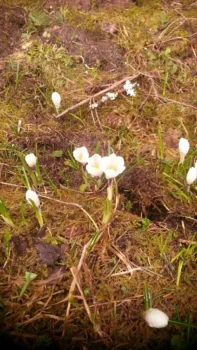
When winter’s grip finally starts to loosen, few sights are as welcome as the cheerful purple, white, and striped blooms of Dutch crocus (Crocus vernus) poking through the last patches of snow. These plucky little perennials are among the first flowers to brave the late winter chill, bringing much-needed color to dreary landscapes when most other plants are still fast asleep.
What Exactly Is Dutch Crocus?
Dutch crocus is a small, bulbous perennial that belongs to the iris family. Despite its common name suggesting Dutch origins, this cheerful bloomer actually hails from the mountains of central and southern Europe and Mediterranean regions. The plant grows as a forb – essentially a non-woody herbaceous plant that dies back to ground level each winter and returns from underground bulbs (called corms) each spring.
The Not-So-Native Truth
Here’s where things get interesting: while Dutch crocus has naturalized beautifully across parts of North America, it’s not actually native to our continent. You’ll find established populations in Ontario, Connecticut, Massachusetts, Oregon, Utah, and Virginia, where it reproduces on its own and persists without any human help.
- Species observed
- No observations
Since it’s not considered invasive or harmful to native ecosystems, you don’t need to panic if you’re considering planting it – but it’s worth keeping in mind that native alternatives might better support local wildlife.
What Makes Dutch Crocus Special?
Dutch crocus may be small in stature (typically reaching just 3-6 inches tall and wide), but it packs a serious visual punch. The goblet-shaped flowers come in shades of purple, white, and lovely striped combinations, emerging from grass-like foliage that’s surprisingly tidy. What really sets these bulbs apart is their timing – they’re true spring pioneers, often blooming while snow is still on the ground.
Garden Role and Design Ideas
Dutch crocus excels at several garden jobs:
- Naturalizing in lawn areas for early spring interest
- Adding color to rock gardens and alpine settings
- Brightening spaces under deciduous trees
- Creating drifts of early color in perennial borders
- Filling gaps in winter-dormant garden beds
These bulbs are particularly wonderful for gardeners who want low-maintenance spring color that returns reliably year after year.
Pollinator and Wildlife Benefits
One of Dutch crocus’s most valuable contributions is providing early nectar when few other flowers are available. Bees and other pollinators appreciate this early-season buffet, though native spring ephemerals would offer even better support for local wildlife.
Growing Conditions and Care
Dutch crocus is refreshingly easy to please. These tough little bulbs thrive in USDA hardiness zones 3-8 and prefer:
- Well-drained soil (they’ll rot in soggy conditions)
- Full sun to partial shade
- A cold winter dormancy period
- Minimal summer water once dormant
Planting and Care Tips
Getting Dutch crocus established is straightforward:
- Plant corms in fall, about 3-4 inches deep and 3 inches apart
- Choose a spot with good drainage – raised beds work well
- Allow foliage to die back naturally after blooming to feed next year’s flowers
- Divide overcrowded clumps every few years if desired
- No fertilizing or watering needed once established
Should You Plant Dutch Crocus?
Dutch crocus makes a lovely addition to gardens where early spring color is desired, especially in naturalized settings or rock gardens. While it’s not native, it’s also not problematic, making it a reasonable choice for gardeners seeking reliable, low-maintenance spring blooms.
However, if supporting native ecosystems is a priority, consider native alternatives like pasque flower, wild ginger, or bloodroot, which provide similar early-season interest while better supporting local wildlife.
Whether you choose Dutch crocus or native alternatives, adding early-blooming plants to your landscape creates a more dynamic garden and provides crucial resources for emerging pollinators when they need them most.