Dwarf Nasturtium: A Colorful Annual for Your Garden
If you’re looking for a cheerful, easy-to-grow annual that adds instant color to your garden, dwarf nasturtium (Tropaeolum minus) might just be the perfect candidate. This compact cousin of the more common climbing nasturtium brings the same vibrant blooms and peppery charm in a tidy, manageable package that won’t take over your garden beds.
What Makes Dwarf Nasturtium Special
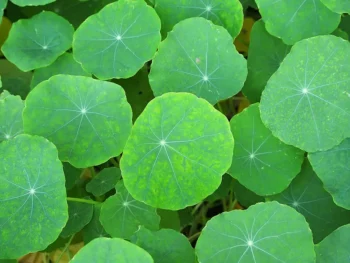
Dwarf nasturtium is a delightful little plant that packs a big punch. Unlike its climbing relatives, this variety stays nice and compact, typically reaching just 8-12 inches tall and wide. The plant produces distinctive round, shield-shaped leaves that look almost like tiny lily pads, creating an attractive backdrop for the star of the show: brilliant flowers in shades of yellow, orange, and red that seem to glow in the garden.
What really sets nasturtiums apart is their dual personality – they’re both ornamental and edible! The flowers have a sweet, slightly spicy flavor that adds a peppery kick to salads, while the leaves taste like watercress. It’s like getting a flower garden and herb garden rolled into one.
Origins and Geographic Distribution
Dwarf nasturtium hails from the mountainous regions of Peru and other parts of South America, where it grows as a native wildflower. From its South American home, it has traveled the world and become a beloved garden annual in temperate climates everywhere. In North America, it’s widely cultivated as an ornamental and culinary plant.
Where Dwarf Nasturtium Shines in Your Landscape
This versatile little plant works beautifully in several garden settings:
- Container gardens: Perfect for pots, window boxes, and hanging baskets
- Border edging: Creates a colorful ribbon along pathways and garden beds
- Vegetable gardens: Companion plant that may help deter pests while providing edible flowers
- Cottage gardens: Adds informal charm and old-fashioned appeal
- Children’s gardens: Fast-growing and rewarding for young gardeners
Benefits for Pollinators and Wildlife
While dwarf nasturtium isn’t a native plant, it does offer some benefits to local wildlife. The nectar-rich flowers attract bees, butterflies, and even hummingbirds, providing a food source during the blooming season. However, since it’s not native to North America, consider pairing it with native flowering plants that offer more comprehensive support for local ecosystems.
Growing Conditions and Care
One of the best things about dwarf nasturtium is how incredibly easy it is to grow – even beginning gardeners can achieve success. Here’s what this accommodating plant needs:
Sunlight and Soil
Dwarf nasturtium thrives in full sun to partial shade, though you’ll get the most abundant flowering in full sun. The plant actually prefers poor to average soil – too much fertility will give you lots of lush leaves but fewer flowers. Well-draining soil is essential, as nasturtiums don’t tolerate waterlogged conditions.
Watering
These plants are quite drought-tolerant once established. Water regularly during dry spells, but don’t overdo it – nasturtiums actually perform better with slightly dry conditions than with too much moisture.
USDA Hardiness Zones
Dwarf nasturtium is grown as an annual in most of North America. In zones 9-11, it may survive as a tender perennial, but most gardeners treat it as a warm-season annual that completes its lifecycle in one growing season.
Planting and Care Tips
Getting started with dwarf nasturtium is refreshingly simple:
- When to plant: Sow seeds directly in the garden after the last frost date in spring
- Seed planting: Plant seeds about ½ inch deep and 6 inches apart
- Germination: Seeds typically sprout within 7-10 days in warm soil
- Maintenance: Deadhead spent flowers to encourage continued blooming
- Self-seeding: Plants often self-seed, providing volunteers for next year’s garden
A Note on Native Alternatives
While dwarf nasturtium is a wonderful garden plant, consider incorporating native alternatives alongside it to better support local wildlife. Depending on your region, native options might include wild bergamot, native sunflowers, or regional wildflower mixes that provide similar color and pollinator benefits while supporting local ecosystems.
Environmental Considerations
Based on wetland status information, dwarf nasturtium is classified as Facultative Upland in the Northcentral and Northeast regions, meaning it usually occurs in non-wetland areas but may occasionally appear in wetlands. This plant is not considered invasive or noxious, making it a responsible choice for gardeners who want to enjoy non-native ornamentals without environmental concerns.
The Bottom Line
Dwarf nasturtium offers gardeners a delightful combination of beauty, utility, and ease of cultivation. While it may not be native to North America, it’s a well-behaved garden citizen that provides color, attracts pollinators, and even contributes to your salad bowl. Whether you’re a seasoned gardener looking for reliable color or a beginner wanting guaranteed success, dwarf nasturtium delivers cheerful performance with minimal fuss. Just remember to complement it with native plants to create a truly balanced, wildlife-friendly garden ecosystem.