Dwarf Rotala: A Small Wonder for Wet Gardens
If you’ve been searching for a delicate ground cover that thrives in soggy conditions, you might have stumbled across dwarf rotala (Rotala rotundifolia), also known as roundleaf toothcup. This petite perennial has been quietly making itself at home in wet spots across the southeastern United States, and it’s worth understanding what makes this little plant tick.
What Exactly Is Dwarf Rotala?
Dwarf rotala is a small herbaceous perennial that belongs to the forb family – basically, it’s a non-woody plant that stays close to the ground. Originally hailing from Asia, this introduced species has established itself in Alabama and Florida, where it’s found a niche in consistently wet environments.
Don’t let the name fool you – while it may be dwarf in stature, this plant has big ambitions when it comes to spreading through suitable habitat.
Where You’ll Find It Growing Wild
In the United States, dwarf rotala has made itself comfortable in Alabama and Florida, particularly in areas that stay wet year-round. It’s classified as an obligate wetland plant, meaning you’ll almost always find it in boggy, marshy, or consistently moist conditions.
- Species observed
- No observations
The Look and Feel
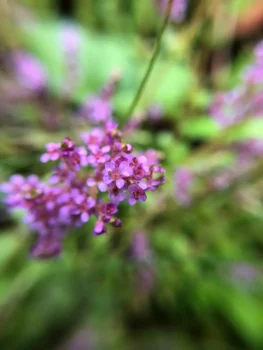
Dwarf rotala won’t win any tallest plant in the garden contests, but it has its own quiet charm. The plant produces small, rounded leaves that give it a delicate, almost moss-like appearance from a distance. When conditions are right, tiny pink to white flowers appear, adding subtle color to wet garden areas.
This low-growing ground cover spreads by creeping stems, creating a carpet-like effect in suitable conditions.
Garden Role and Landscape Use
If you’re dealing with chronically wet spots in your landscape – you know, those areas where other plants throw in the towel – dwarf rotala might catch your interest. It’s particularly suited for:
- Bog gardens and water features
- Rain gardens that stay consistently moist
- Edges of ponds or streams
- Wetland restoration projects
Growing Conditions and Care
Dwarf rotala is pretty straightforward about its needs – it wants to keep its feet wet, literally. Here’s what it requires:
- Sunlight: Full sun to partial shade
- Water: Constantly moist to wet soil conditions
- Hardiness: USDA zones 8-11
- Soil: Adapts to various wet soil types
The plant spreads naturally through creeping stems, so you may need to manage its growth if you want to keep it contained to specific areas.
Wildlife and Pollinator Value
While dwarf rotala does produce small flowers that may attract tiny pollinators, it’s not considered a major pollinator plant. Its primary value lies in providing ground cover in wet habitats.
Should You Plant It?
Here’s the thing about dwarf rotala – while it’s not native to North America, it’s also not currently listed as invasive or problematic. If you have a specific wet garden situation where you need reliable ground cover, it might work for your needs.
However, before you rush out to find some, consider exploring native alternatives first. Native plants that thrive in similar wet conditions include:
- Wild ginger (Asarum canadense) for shaded wet areas
- Golden ragwort (Packera aurea) for sunny wet spots
- Various native sedges (Carex species) for year-round interest
These native options will provide better support for local wildlife while filling similar roles in your landscape.
The Bottom Line
Dwarf rotala is a specialized plant for specialized conditions. If you’re working with consistently wet areas and traditional ground covers aren’t cutting it, this little Asian immigrant might solve your problem. Just remember that native alternatives often provide better ecological value, so it’s worth exploring your options before settling on this non-native choice.
Whether you choose dwarf rotala or a native alternative, the key is matching the right plant to your specific wet garden conditions – and that’s where the real gardening magic happens.