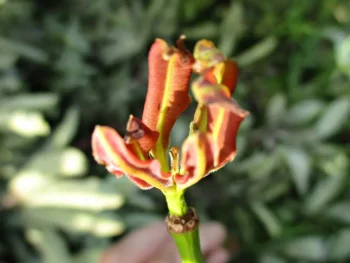
Dyera: Why This Tropical Giant Isn’t Right for Most Gardens
If you’ve stumbled across the name dyera in your plant research, you might be wondering if this exotic-sounding species could work in your garden. While Dyera trees are certainly impressive in their native habitat, they’re probably not the best choice for most North American gardeners – and here’s why.
What is Dyera?
Dyera, commonly known as dyera or jelutong, is a genus of large tropical trees native to Southeast Asia. These magnificent trees are found naturally in countries like Malaysia, Indonesia, Thailand, and Brunei, where they thrive in warm, humid tropical forests.
Why Dyera Probably Isn’t Right for Your Garden
Before you get too excited about adding this exotic tree to your landscape, let’s talk about some practical considerations:
- Climate requirements: Dyera trees need consistently warm, tropical conditions and only thrive in USDA hardiness zones 10-12
- Size matters: These are large forest trees that can grow quite tall – definitely not suitable for typical residential lots
- Non-native status: Since they’re not native to North America, they won’t support local wildlife ecosystems the way native trees do
- Limited availability: You’d be hard-pressed to find these trees at your local nursery
Growing Conditions (If You’re in the Right Climate)
For the lucky few gardeners in tropical zones who have ample space, Dyera trees prefer:
- High humidity and consistently warm temperatures
- Well-draining, fertile soils
- Protection from strong winds when young
- Plenty of space to reach their full size
Better Alternatives for Most Gardens
Instead of trying to grow this tropical giant, consider these native alternatives that will better serve your local ecosystem:
- For large shade trees: Try native oaks, maples, or hickories appropriate to your region
- For tropical-looking foliage: Consider native magnolias or tulip trees
- For wildlife benefits: Choose native species that support local pollinators and birds
The Bottom Line
While Dyera trees are certainly interesting from a botanical perspective, they’re really only suitable for botanical gardens or large tropical estates in the warmest parts of the country. For most of us, focusing on native trees that support local wildlife and thrive in our specific climate zones is a much better choice for both our gardens and the environment.
Remember, the best garden plants are usually the ones that naturally want to grow where you live – and for most North American gardeners, that’s not going to be Dyera!