Dyer’s Madder: The Historic Plant That Colored the World
Meet dyer’s madder (Rubia tinctorum), a fascinating climbing perennial that has quite literally colored human history. This unassuming vine might not win any beauty contests, but its roots have been treasured for centuries as the source of brilliant red dye that adorned everything from royal robes to military uniforms.
What Exactly Is Dyer’s Madder?
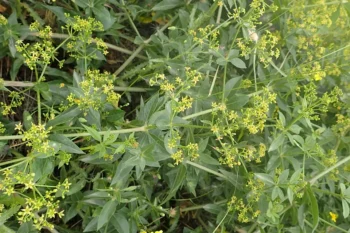
Dyer’s madder is a herbaceous perennial vine that belongs to the coffee family. Also known as Indian madder, this climbing plant produces small, star-shaped yellow flowers and dark berries. But the real treasure lies underground – its thick, fleshy roots contain compounds that create stunning red, pink, and orange dyes.
As a non-native species originally from the Mediterranean region, Western Asia, and parts of Europe, dyer’s madder has established itself in several U.S. states including California, Massachusetts, Nevada, New York, Oregon, Pennsylvania, and Utah.
- Species observed
- No observations
Why Grow Dyer’s Madder?
While dyer’s madder isn’t native to North America, there are several compelling reasons gardeners might want to include it in their landscape:
- Historical significance: Perfect for heritage or educational gardens
- Natural dye production: Grow your own source of natural red dye
- Low maintenance: Once established, it’s quite tolerant of poor conditions
- Pollinator support: Small flowers attract beneficial insects and bees
Garden Design and Landscape Role
Dyer’s madder works best in naturalized areas, heritage gardens, or educational landscapes where its historical significance can be appreciated. As a climbing vine, it needs support structures like trellises, fences, or sturdy shrubs to scramble over. It’s not particularly showy, so consider it more of a utility plant than an ornamental star.
Growing Conditions and Care
The good news? Dyer’s madder is refreshingly easy to please:
- Sunlight: Full sun to partial shade
- Soil: Well-drained soil; tolerates poor, rocky conditions
- Hardiness: USDA zones 6-9
- Water: Moderate; drought-tolerant once established
- Support: Provide trellises or other climbing structures
Planting and Propagation
Start dyer’s madder from root divisions in spring or fall, or grow from seed (though germination can be spotty). Plant root divisions about 12 inches apart and provide immediate support for climbing. The plant spreads via underground rhizomes, so give it room to roam or contain it if space is limited.
For dye production, you’ll need patience – roots are typically harvested after 2-3 years of growth when they’ve developed sufficient color compounds.
Consider Native Alternatives
While dyer’s madder isn’t invasive, gardeners interested in supporting local ecosystems might consider native alternatives that provide similar benefits:
- Wild bergamot (Monarda fistulosa): Native pollinator magnet with historical uses
- Bedstraw species (Galium spp.): Native relatives in the same plant family
- Bloodroot (Sanguinaria canadensis): Native plant historically used for red-orange dye
The Bottom Line
Dyer’s madder occupies a unique niche in the gardening world. It’s not going to wow you with flashy flowers or dramatic foliage, but for gardeners interested in historical plants, natural dye-making, or educational landscapes, it offers something special. Just remember to provide climbing support and be patient if you’re growing it for dye – good things (and good reds) come to those who wait!
Whether you’re recreating a colonial herb garden or simply curious about the plants that shaped human history, dyer’s madder connects us to centuries of tradition in the most colorful way possible.