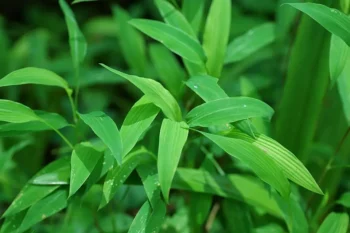
East Indian Bristlegrass: An Uninvited Guest in Southern Gardens
If you’ve noticed a scrappy little grass popping up uninvited in your Southern garden, you might be looking at East Indian bristlegrass (Setaria barbata). This annual grass didn’t exactly RSVP to the American gardening party – it’s a non-native species that decided to make itself at home in the warmer corners of our country.
What Exactly Is East Indian Bristlegrass?
East Indian bristlegrass is an annual grass that originally hails from tropical Asia and the East Indies (hence the name!). You might also see it referred to by its scientific synonyms Chaetochloa barbata or Panicum barbatum in older gardening references. This graminoid – that’s garden-speak for grass or grass-like plant – has the typical grass family look but with a distinctly weedy personality.
Where You’ll Find This Uninvited Guest
Currently, East Indian bristlegrass has established itself in Florida, Mississippi, and Puerto Rico. It’s one of those plants that reproduces spontaneously in the wild without any human help and has a knack for sticking around once it arrives.
- Species observed
- No observations
Should You Plant East Indian Bristlegrass?
Here’s the short answer: probably not. While this grass isn’t officially listed as invasive or noxious (the jury’s still out on that front), it’s definitely not winning any beauty contests in the ornamental plant world. East Indian bristlegrass is what gardeners politely call a weedy species – it’s more likely to be something you’re trying to remove from your garden rather than add to it.
This annual grass lacks the aesthetic appeal that would make it desirable for intentional landscaping. Its bristly seed heads and somewhat scraggly appearance don’t exactly scream design element for most garden styles.
Growing Conditions (If You’re Curious)
East Indian bristlegrass thrives in USDA hardiness zones 9-11, which explains why it’s comfortable in the warm, humid conditions of Florida, Mississippi, and Puerto Rico. It’s quite adaptable to various soil types and seems to do just fine without any pampering – typical behavior for a successful non-native species.
Better Alternatives for Your Garden
Instead of letting East Indian bristlegrass crash your garden party, consider these native grass alternatives that offer real beauty and ecological benefits:
- For Florida: Try wiregrass (Aristida stricta) or Florida gamma grass (Tripsacum floridanum)
- For Mississippi: Consider little bluestem (Schizachyrium scoparium) or switchgrass (Panicum virgatum)
- For Puerto Rico: Look into native sedges and rushes adapted to your specific microclimate
The Bottom Line
East Indian bristlegrass is one of those plants that’s more interesting from an ecological perspective than a gardening one. While it’s successfully made itself at home in parts of the American South, it’s not something most gardeners would choose to cultivate intentionally. If you spot it in your garden, it’s probably best to remove it and replace it with native grasses that will provide better habitat for local wildlife and more visual appeal for your landscape design.
Remember, every plant has its place in the world – but East Indian bristlegrass’s place probably isn’t in your carefully planned native garden!