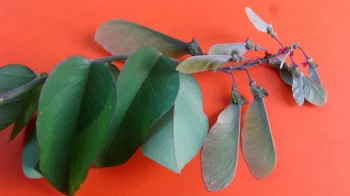
Easter Flower: A Tropical Climbing Beauty for Warm Gardens
If you’re looking to add a touch of tropical charm to your warm-climate garden, the Easter flower (Securidaca diversifolia) might catch your eye with its delicate purple blooms and climbing habit. This perennial vine, also known by its synonym Elsota diversifolia, brings a unique aesthetic to landscapes—though there are some important considerations before adding it to your garden.
What Makes Easter Flower Special?
Easter flower is a twining, climbing plant that can add vertical interest to your garden space. Its relatively long stems can become woody over time, creating a semi-permanent structure in your landscape. The plant produces small, fragrant flowers in shades of purple to pink, arranged in attractive clusters called racemes. These blooms are complemented by glossy green foliage that provides year-round appeal in frost-free climates.
Native Status and Geographic Distribution
Here’s where things get interesting—and a bit complicated. While Easter flower grows in Puerto Rico and the U.S. Virgin Islands, it’s actually not native to these locations. This plant is considered non-native and has been introduced to these areas, where it now reproduces spontaneously and persists in the wild without human intervention.
- Species observed
- No observations
The plant’s true native range extends through tropical regions of Central America and northern South America, making it naturally adapted to warm, humid conditions.
Garden Role and Design Potential
In the right setting, Easter flower can serve several roles in your landscape:
- Climbing vine for trellises, arbors, or pergolas
- Natural fence covering with its twining growth habit
- Container plant in cooler climates (brought indoors for winter)
- Pollinator attractor with its fragrant, nectar-rich flowers
This vine works particularly well in tropical and subtropical garden designs, where its climbing nature can create living screens or add height to garden borders.
Growing Conditions and Care
Easter flower thrives in specific conditions that mirror its tropical origins:
- Climate: USDA hardiness zones 10-11 (frost-tender)
- Light: Partial to full sun exposure
- Soil: Well-draining soil with consistent moisture
- Support: Requires sturdy support structures for climbing
- Water: Regular watering, but avoid waterlogged conditions
Planting and Care Tips
Successfully growing Easter flower requires attention to its climbing nature and tropical preferences:
- Install support structures before or immediately after planting
- Prune regularly to maintain shape and encourage branching
- Protect from cold temperatures—even brief frosts can damage the plant
- In cooler climates, consider container growing with winter protection
- Monitor for adequate drainage to prevent root problems
Wildlife and Pollinator Benefits
The fragrant flowers of Easter flower attract butterflies and small bees, making it a valuable addition for pollinator-friendly gardens. The nectar-rich blooms provide food sources for these beneficial insects throughout the flowering season.
Should You Plant Easter Flower?
While Easter flower isn’t invasive or noxious, its non-native status in U.S. territories means you might want to consider native alternatives first. If you’re gardening in Puerto Rico or the U.S. Virgin Islands, look for native climbing vines that can provide similar aesthetic appeal while supporting local ecosystems.
That said, if you’re drawn to Easter flower’s unique beauty and have the right growing conditions, it can make an interesting addition to tropical gardens. Just be mindful of its growth requirements and provide appropriate support for its climbing habit.
Remember, successful gardening often means working with plants suited to your specific climate and conditions—whether native or carefully chosen non-natives that won’t cause ecological disruption.