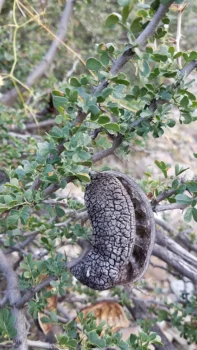
Ebenopsis confinis: The Mystery Plant That’s Stumping Gardeners
Ever heard of Ebenopsis confinis? Don’t worry if you haven’t – you’re definitely not alone! This mysterious member of the legume family is one of those botanical enigmas that makes even seasoned gardeners scratch their heads and reach for their field guides.
What We Do Know (Spoiler Alert: It’s Not Much!)
Ebenopsis confinis belongs to the fascinating world of dicots, and it’s part of the legume family – the same plant family that brings us beans, peas, and those gorgeous flowering trees like mimosas. You might also see it listed under its botanical synonym, Pithecellobium confine Standl., which gives us a clue that it was once classified differently by botanists.
But here’s where things get tricky: this plant is so rare or poorly documented that we don’t even have a widely accepted common name for it. In the gardening world, that’s usually a red flag that we’re dealing with either a very specialized regional plant or something that’s incredibly uncommon in cultivation.
The Geographic Mystery
Unfortunately, the exact native range of Ebenopsis confinis remains unclear from available resources. This lack of clear geographic information makes it challenging for home gardeners to determine whether this species would be appropriate for their local native plant gardens.
Should You Try Growing It?
Here’s the honest truth: with so little information available about Ebenopsis confinis, it would be quite difficult for most gardeners to successfully cultivate this species. We don’t have reliable information about:
- Its preferred growing conditions
- USDA hardiness zones
- Mature size and growth habits
- Soil and water requirements
- Propagation methods
- Potential benefits to wildlife or pollinators
Better Alternatives for Your Garden
If you’re interested in native legumes for your landscape, consider these well-documented alternatives that offer similar family characteristics:
- Native mesquites (Prosopis species) for arid regions
- Wild senna (Senna species) for colorful flowers
- Native acacias for feathery foliage and fragrant blooms
- Coral bean (Erythrina species) for dramatic red flowers
The Takeaway
While Ebenopsis confinis certainly sounds intriguing, the lack of available cultivation information makes it more of a botanical curiosity than a practical garden choice. Sometimes the most responsible thing we can do as gardeners is to stick with well-documented native species that we know will thrive and provide benefits to local ecosystems.
If you’re absolutely determined to learn more about this mysterious plant, try contacting local botanical gardens, native plant societies, or university extension programs in areas where leguminous trees are native. Who knows? You might just help solve the mystery of Ebenopsis confinis!