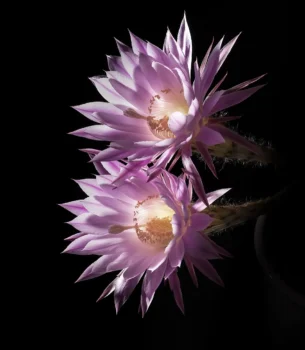
Echinopsis: The Show-Stopping Cactus That Lights Up the Night
If you’ve ever wanted a plant that saves its best performance for after dark, meet the echinopsis! These South American natives are the drama queens of the cactus world, producing some of the most spectacular blooms you’ll ever see. But before you rush out to buy one, let’s dive into what makes these prickly performers tick.
What Exactly Is an Echinopsis?
Echinopsis cacti are barrel-shaped or columnar succulents that look pretty ordinary most of the year—until they decide to put on their show. These architectural beauties can range from small, globe-shaped specimens to towering columns, but they all share one incredible trait: their ability to produce massive, funnel-shaped flowers that often appear overnight and last just a day or two.
Where Do They Come From?
These stunning cacti call South America home, with most species native to Argentina, Bolivia, Paraguay, Uruguay, and southern Brazil. They’ve adapted to everything from high-altitude mountain regions to lowland plains, which explains why they’re surprisingly adaptable in cultivation.
The Good, The Bad, and The Prickly
Why you might love echinopsis:
- Absolutely breathtaking flowers that can be 6+ inches across
- Low-maintenance once established
- Drought-tolerant and perfect for water-wise gardens
- Architectural interest year-round
- Long-lived plants that can bloom for decades
Why you might want to think twice:
- Flowers are often short-lived (1-2 days)
- Not cold-hardy in most climates
- Spines can be hazardous around children and pets
- May not bloom every year, especially when young
Perfect Garden Roles
Echinopsis cacti shine brightest in:
- Desert and xeriscape gardens
- Rock gardens and succulent displays
- Mediterranean-style landscapes
- Container gardens (perfect for cold climates!)
- As dramatic focal points
Growing Conditions and Care
The secret to happy echinopsis? Think desert vacation. These cacti thrive in USDA zones 9-11, though some hardier species can handle zone 8 with protection. Here’s what they need:
- Light: Full sun is essential for blooming
- Soil: Fast-draining is non-negotiable—think sandy or rocky
- Water: Deep but infrequent watering; let soil dry completely between waterings
- Temperature: Protect from frost; bring containers indoors in cold climates
Planting and Care Tips
Getting your echinopsis established is surprisingly straightforward:
- Plant in spring after the last frost
- Ensure drainage with gravel or pumice amendments
- Water sparingly the first year while roots establish
- Fertilize lightly with low-nitrogen cactus fertilizer
- Be patient—young plants may take several years to bloom
Wildlife and Pollinator Benefits
While not native to North America, echinopsis flowers do provide nectar for nighttime pollinators like moths when they bloom at night, or bees and other insects for day-blooming varieties. However, their impact on local ecosystems is minimal compared to native plants.
Consider Native Alternatives
If you love the idea of dramatic cactus blooms but want to support local ecosystems, consider these native alternatives:
- Prickly pear cactus (Opuntia species) for stunning yellow flowers
- Barrel cactus (Ferocactus species) in southwestern regions
- Cholla cactus (Cylindropuntia species) for architectural interest
The Bottom Line
Echinopsis cacti are undeniably spectacular when they bloom, and they’re perfect for gardeners who want low-maintenance drama. While they won’t support local wildlife like native plants do, they’re not invasive and can be a stunning addition to the right garden setting. Just remember: patience is key, drainage is critical, and when those flowers finally appear, you’ll understand why cactus enthusiasts get so excited about these prickly performers!